

“In every walk with nature one receives far more than he seeks.”
- John Muir
Have you ever heard of Emma “Grandma” Gatewood? She was a 67‑year‑old mother of 11 and grandmother of 23 when she became the first woman to solo thru‑hike the Appalachian Trail in 1955, and she did it with almost no gear, wearing Keds sneakers, carrying a homemade denim sack, and relying on her own toughness. She completed the trail three times, helped spark the ultralight movement long before it had a name, and became a symbol of resilience, simplicity, and the healing power of nature. While we couldn’t interview Grandma Gatewood for this blog, we think she would agree with these tips from time inspired by being on the trail!
Hiking and walking outside consistently teaches us core principles of mental, emotional, and physical well-being, and the research backs it up. Walking is such a powerful teacher because it slows you down enough to actually notice your life—your breath, your thoughts, your surroundings—instead of rushing past them. In its simplicity, walking reminds you that clarity, calm, and connection often come from the most accessible, everyday practices.
Do you always feel busy? Do you always think, “I just need a little more time?” Do you spend more time looking at screens than you would prefer? You are not alone.
While it can be hard to prioritize getting outside for multiple hours a day, there is much we can glean from time spent on the trail—hiking outside, in nature, with good company! Inspired by many hours walking in the woods, here are 5 ways to support your mental health without wandering in the woods for several hours on end!

1. Start With Small Steps: Why Even Short Walks Make a Big Difference
Walking is a whole mind and body workout. Stepping outside or on a treadmill for even just 10 minutes:
-
strengthens muscles
-
improves balance
-
supports heart health
-
lifts your mood
Physical activity like this is linked to lower anxiety, better sleep, and improved mood. Even walking 10 minutes a day increases endorphins, serotonin, and dopamine - the chemicals tied to happiness, motivation, and emotional balance. Walking improves cardiovascular health, supports joint mobility, and builds endurance, without the stress of high‑impact exercise, making it sustainable, gentle, and effective for all ages.
Walking is one of the fastest, most accessible mood‑shifters available. Take a break between meetings, calls, and household tasks, your future self will thank you.
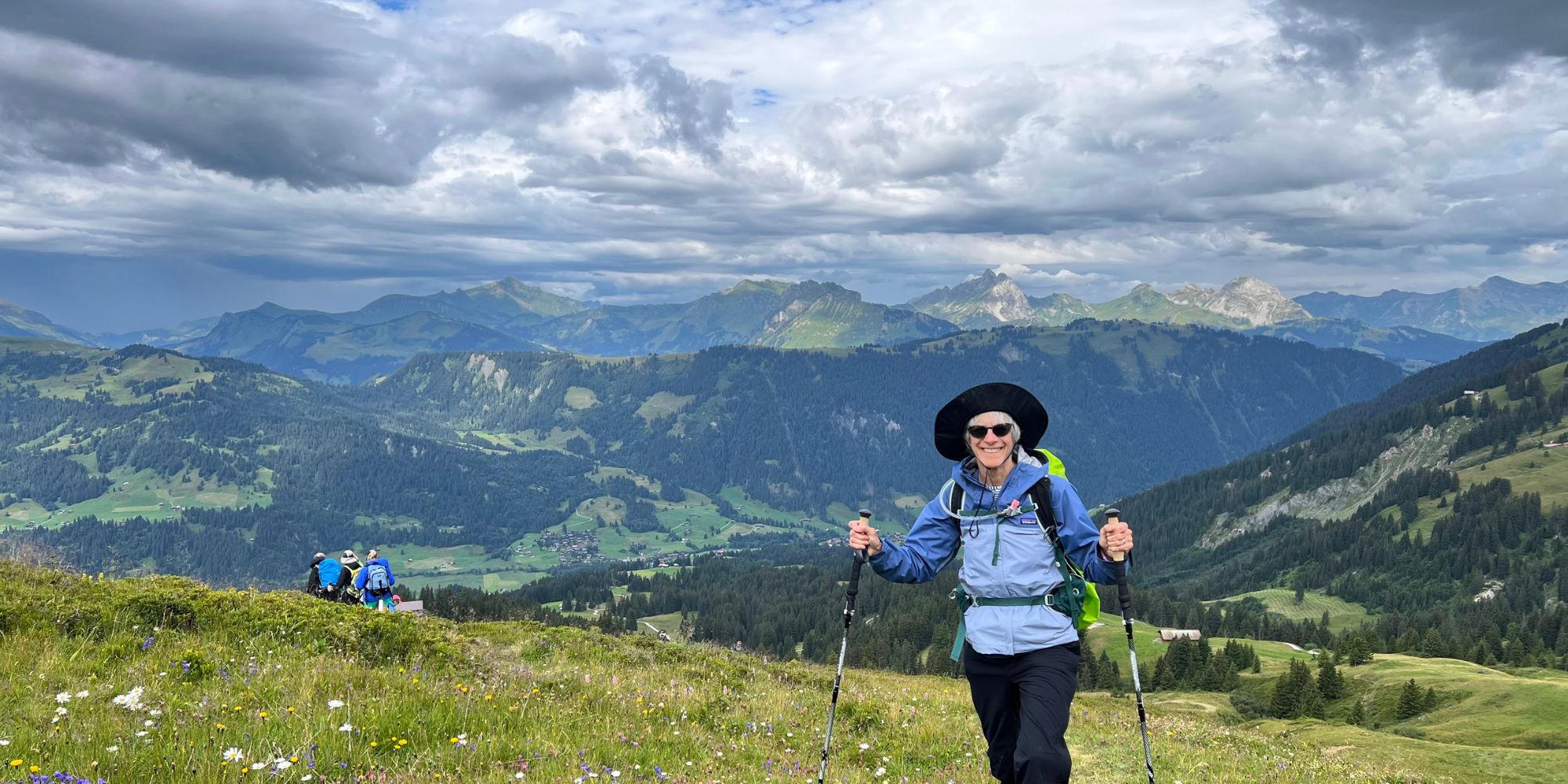
2. Let Nature Regulate You: The Mental Health Benefits of Being Outdoors
As a species, humans have lived in connection with nature since the very beginning of time. Nowadays, that connection may seem less accessible, but it is more important than ever!
Spending time outdoors reduces stress, calms anxiety, and lowers the risk of depression. Being immersed in natural environments boosts mood and improves overall mental health, according to research cited by the U.S. National Park Service.
When on your walk outside, activate your senses. Notice not only what you see, but also what you smell, hear, taste, and even feel on your skin and under your feet. Take in as many colors and sensations as you can notice. This practice of presence and mindfulness is a form of meditation. Sensory awareness can even interrupt rumination and looping thoughts and bring you to the only moment we have, which is now!
“The earth has music for those who listen.”
-William Shakespeare
3. Move Your Body, Shift Your Mind: How Walking Supports Emotional Health
Walking supports emotional health in multiple ways: physically, neurologically, and psychologically.
Walking on varied, uneven ground requires your body to adapt constantly. This challenge builds capacity—physically and emotionally. Building the consistency of walking daily also strengthens the self-care muscle, reminding you that you cannot give from an empty cup.
When you walk, especially outdoors, your body shifts out of stress mode. The rhythmic left‑right movement activates bilateral stimulation in the brain, the same mechanism used in trauma therapies like EMDR. Additionally, movement increases blood flow to the brain, which enhances problem‑solving and idea generation. Many people find their best ideas come while walking.
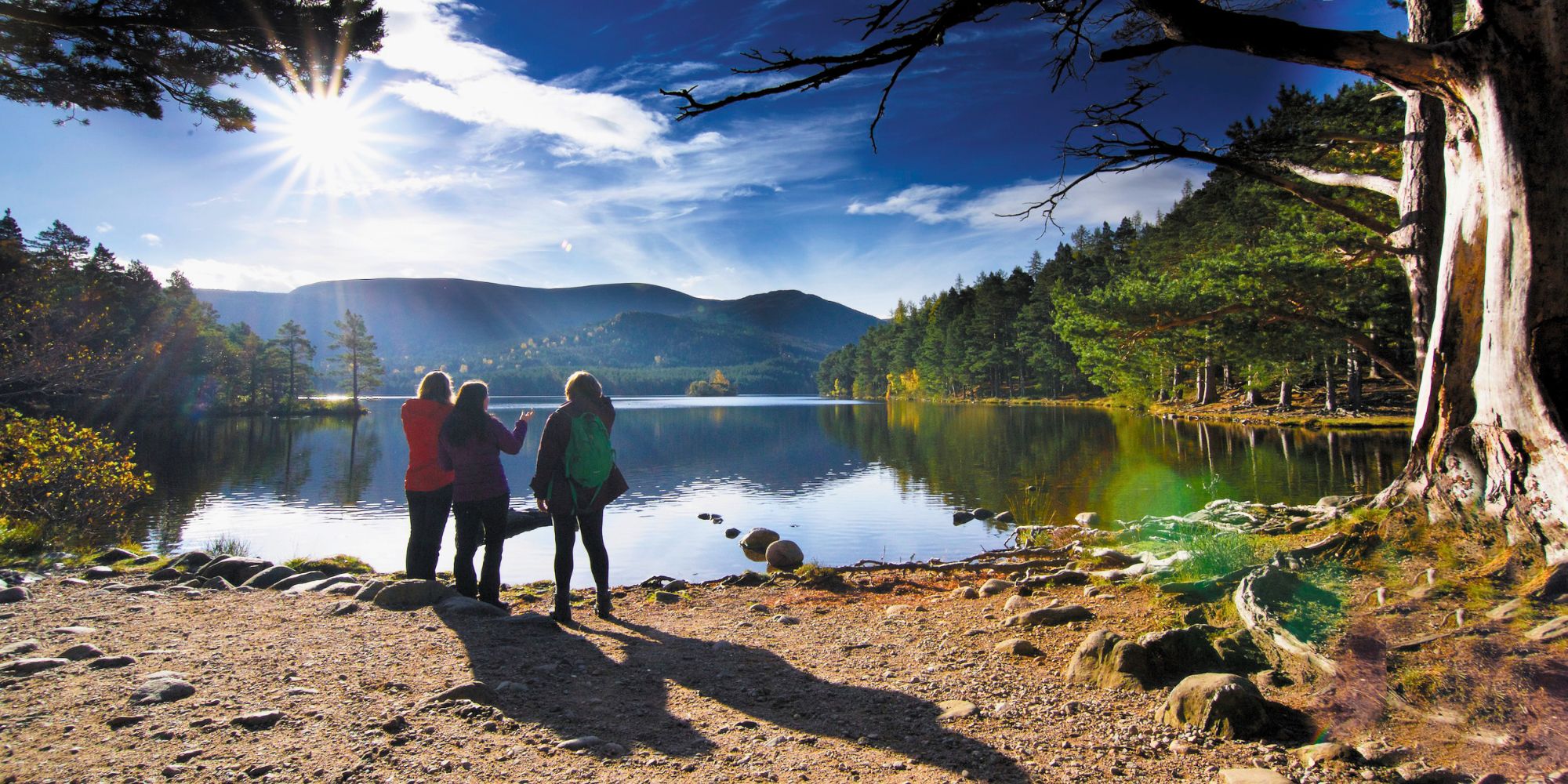
4. Disconnect to Reconnect: Reducing Screen Time the Way the Trail Teaches Us is Important
Connection is one of the strongest predictors of well-being. When going for a walk, it can be best to either leave your phone at home or, if you must bring it, put it in airplane mode to give yourself a much-needed break from screen time. A space to be in connection with your surroundings, and sometimes, others. Make your daily walk your “trail life” away from your “digital life.”
Consciously or unconsciously, we are overwhelmed by this digital age. Thanks to phones, we can be in constant touch with loved ones, and simultaneously, people seem to have access to one another. This is draining. Taking even just 10 minutes to an unplugged walk, become aware of your breath and five senses can provide a brief yet crucial mental reset.
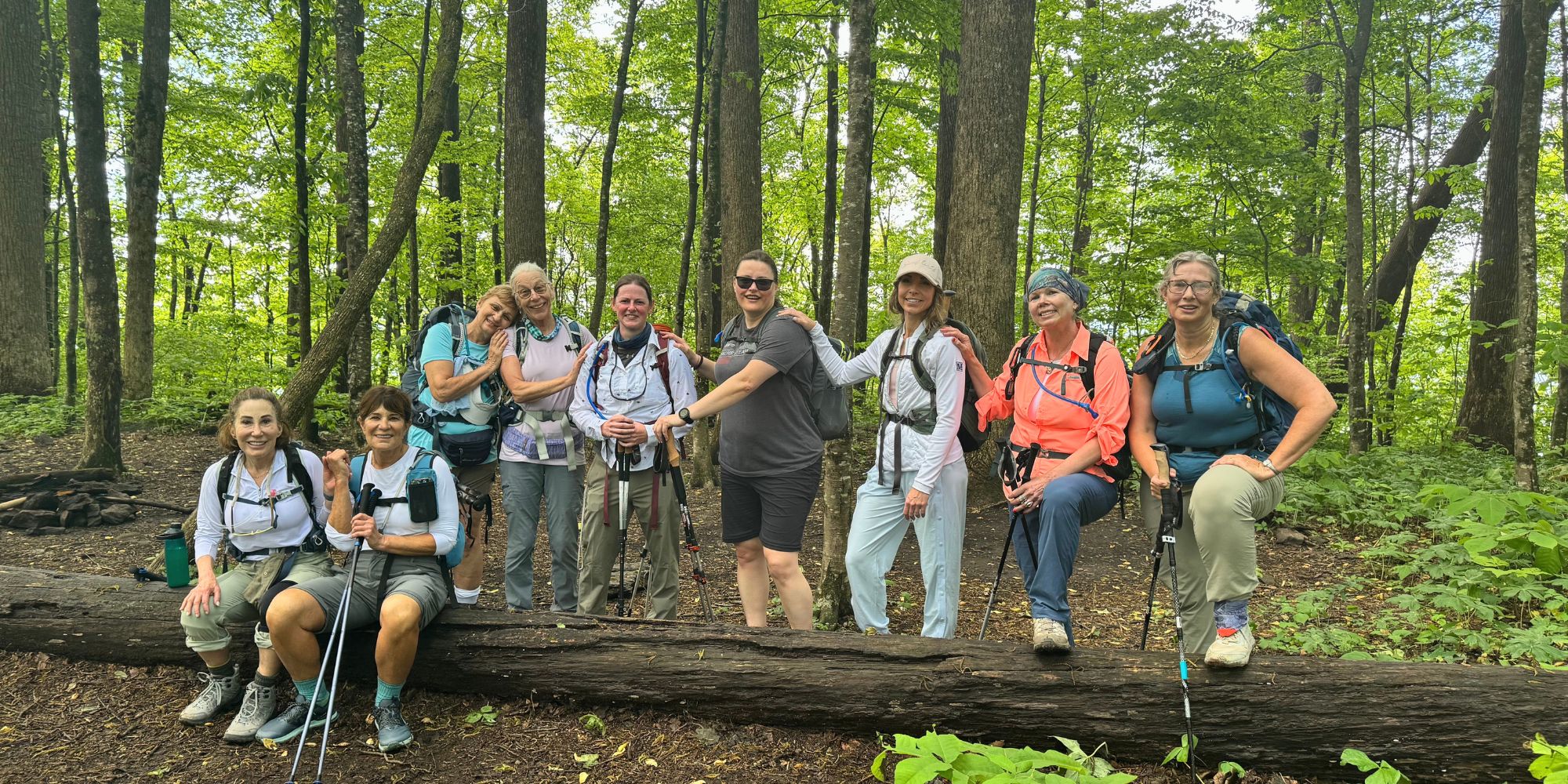
5. Shared Trails Strengthen Relationships
Many of us have been there, on a long hike with someone you just met, and all of a sudden you are both sharing things you don’t usually talk about. If you are able to take your daily walk with a companion, this is an added benefit! Side‑by‑side movement makes conversation feel safer and more open, and many people find they can go deeper while immersed in nature. Walking alongside someone removes the pressure of eye contact and helps people open up.
Hiking with others improves relational health and deepens bonds. The National Park Service notes that shared time on the trail can strengthen friendships and family connections. Nature creates a sense of shared experience—something we all need!
Connection is medicine, with Nature and others.
“Nature does not hurry, yet everything is accomplished.” - Lao Tzu
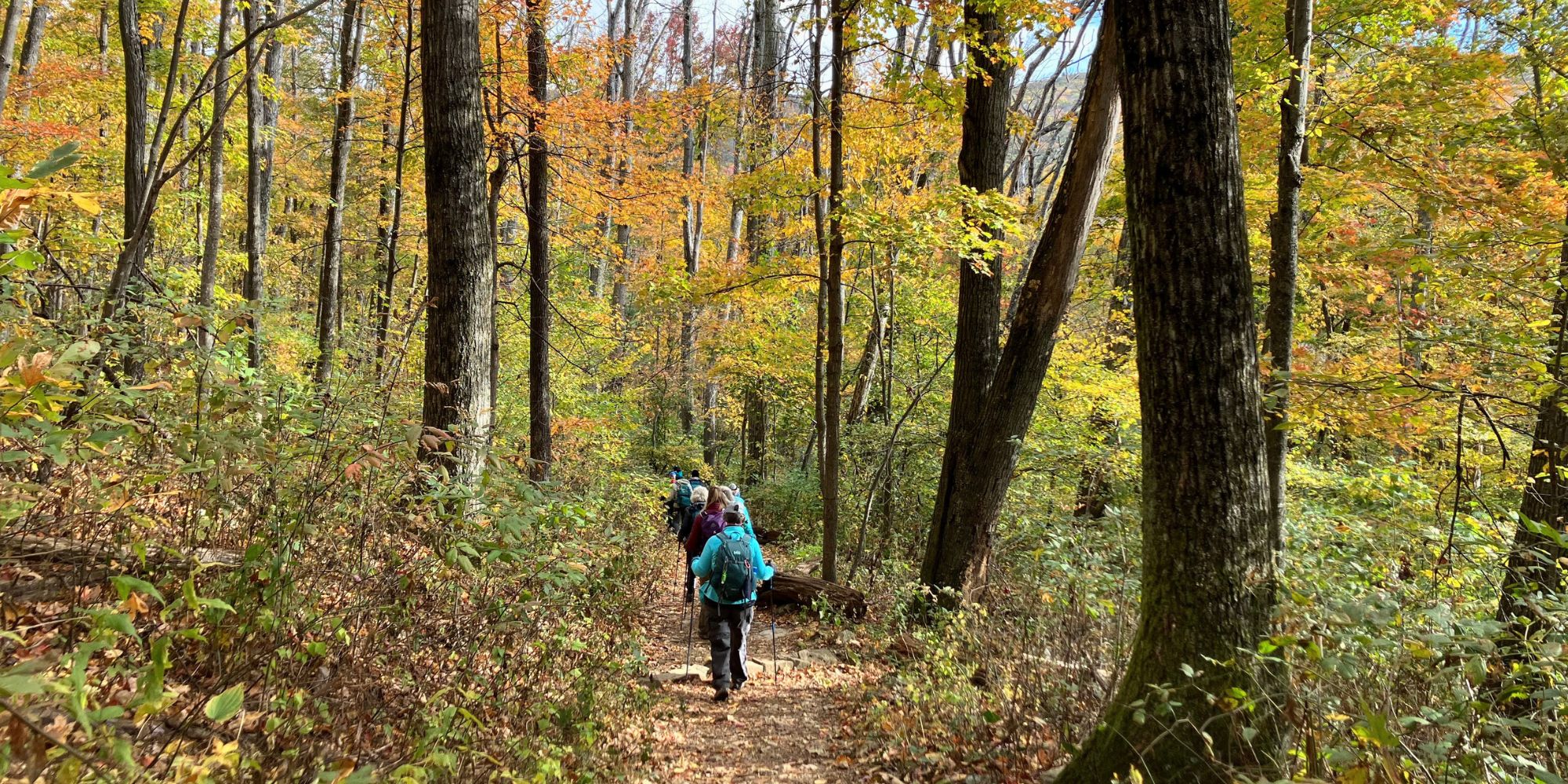
Bring the Trail Home: Some Simple Daily Rituals Inspired by Time on the Trail:
-
Walk a minimum of 10 minutes a day, outside if you can!
-
Leave your phone at home or put it in airplane mode when you walk outside.
-
Bring Company! Invite a friend to join you for a walk! And if they can’t, consider asking them to take a walk at the same time and share a phone call
-
Find green spaces to walk in, such as in a public park, the woods, or the ocean
-
See your daily walk as a gift to yourself and something that enhances your life as opposed to one more thing on your “to do” list
-
Try the 5‑4‑3‑2‑1 method, where you slowly name five things you can see, four you can hear, three you can feel, two you can smell, and one you can taste. This gentle sensory scan pulls you out of mental noise and into your physical experience, helping your nervous system settle the same way it naturally does on a quiet walk in the woods.
Walking outside is a simple yet powerful gift. It is accessible, free, and always available—a lifelong companion. The simplest tools are often the most powerful. It’s hard to find an excuse not to walk every day. This is your invitation to gift yourself a free and accessible daily self-care practice.