
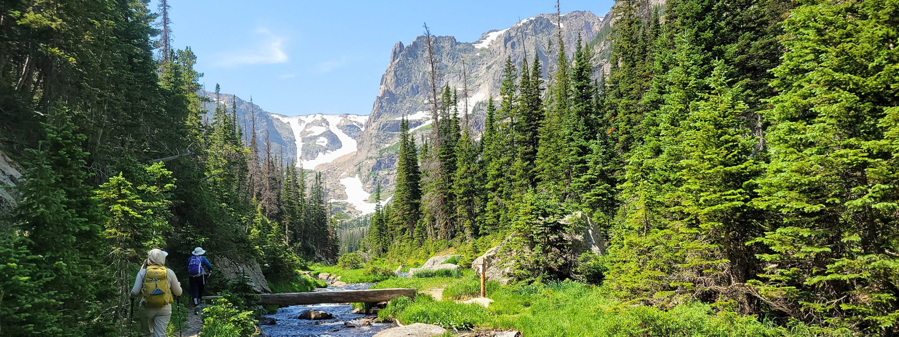
There's a reason people talk about national parks the way they talk about old friends—warmth, longing, and that particular ache of wanting to go back. These parks do something to you. They recalibrate your sense of scale, quiet your nervous system, and remind you that the world is far bigger and more beautiful than your mind can even comprehend.
America's national parks are often grouped together as if they're variations of the same experience, but each is shaped by a unique landscape and, often, a unique mountain range. The Rockies create the dramatic alpine scenery of places like the Rocky Mountains and Glacier National Parks, while the ancient Appalachians give the Great Smoky Mountains and Shenandoah their rolling ridgelines and rich biodiversity. Out West, the Sierra Nevada defines Yosemite and Sequoia, while the Cascades shape the volcanic landscapes of Mount Rainier and North Cascades. Understanding the mountains behind these parks reveals that they're not just beautiful destinations; they're chapters in the geological story of North America.
At Adventures in Good Company, we've been taking women into these landscapes for over 25 years. Here's your guide to six of the most remarkable mountain ranges in the national park system and the AGC trips designed to take you there.
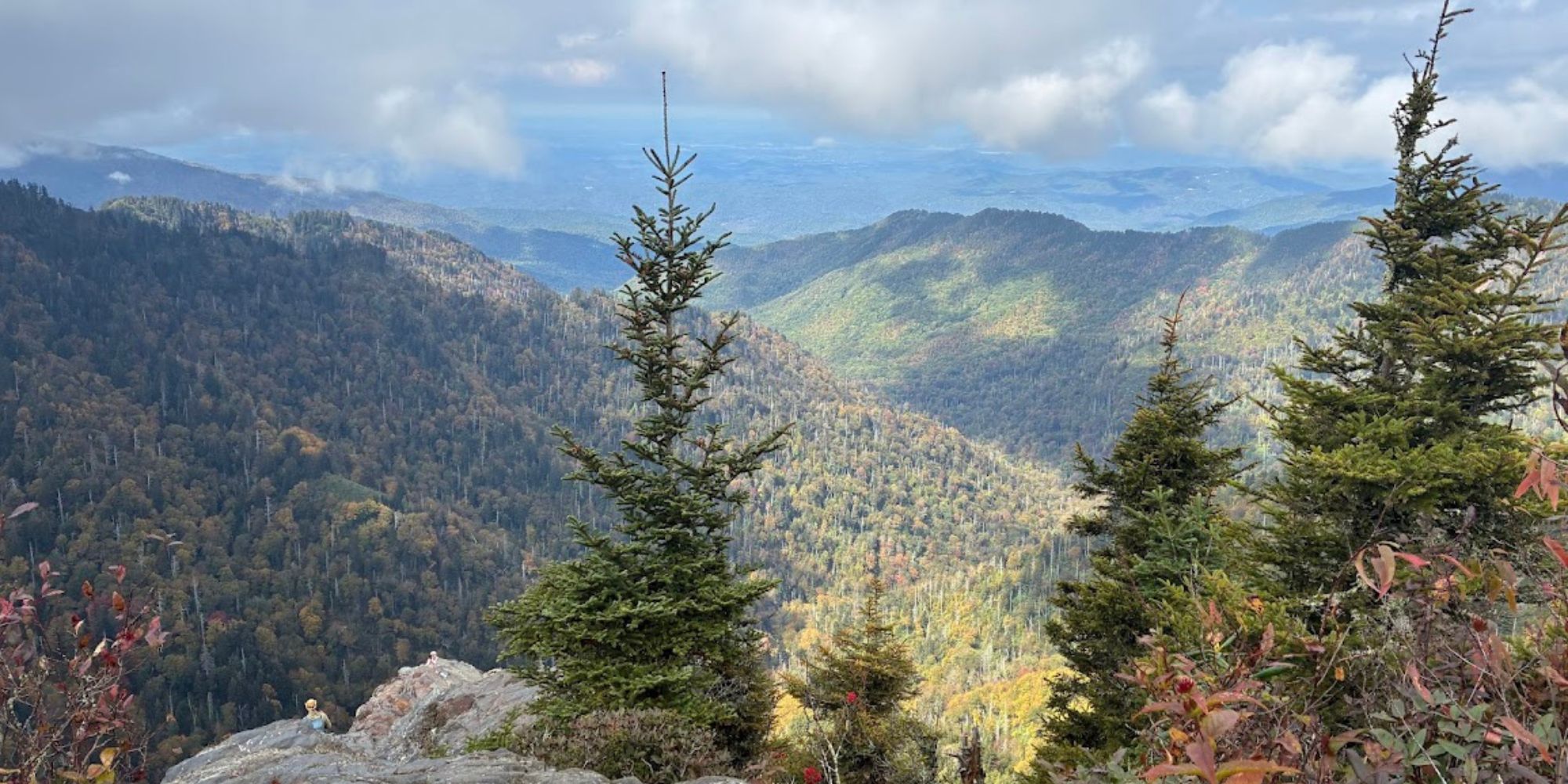
The Great Smoky Mountains: America's Ancient Giants
The Great Smoky Mountains are among the oldest mountain ranges on Earth. The ancestors of today's Smokies rose from a massive collision of continents roughly 300 million years ago. Time has softened what were once Himalayan-scale peaks into the rounded ridgelines that define the Southern Appalachians today, but their age remains one of their most remarkable features.
That age has helped create something equally extraordinary: biodiversity. Great Smoky Mountains National Park is often called the "Salamander Capital of the World" and contains more tree species than all of northern Europe. The park's varied elevations, abundant rainfall, and temperate climate have created a flourishing environment. More than 19,000 species live here, and scientists believe thousands remain undiscovered.
The Smokies are also one of the best places in the country to experience the changing seasons. Spring in the Smokies transforms the forest floor into one of North America's most impressive wildflower displays, earning the park its nickname as the "Wildflower National Park." In autumn, more than 100 species of native trees turn shades of gold, orange, scarlet, and crimson, creating one of the longest and most vibrant fall color seasons in the United States.
Because the park feels so different from one season to the next, we visit twice each year. Our spring departure showcases the Smokies at peak wildflower season, when trilliums, violets, and countless other blooms carpet the forest floor, while our fall departure arrives as the mountains are painted in shades of red, orange, and gold. The trails may be familiar, but the experience is entirely different depending on when you visit.
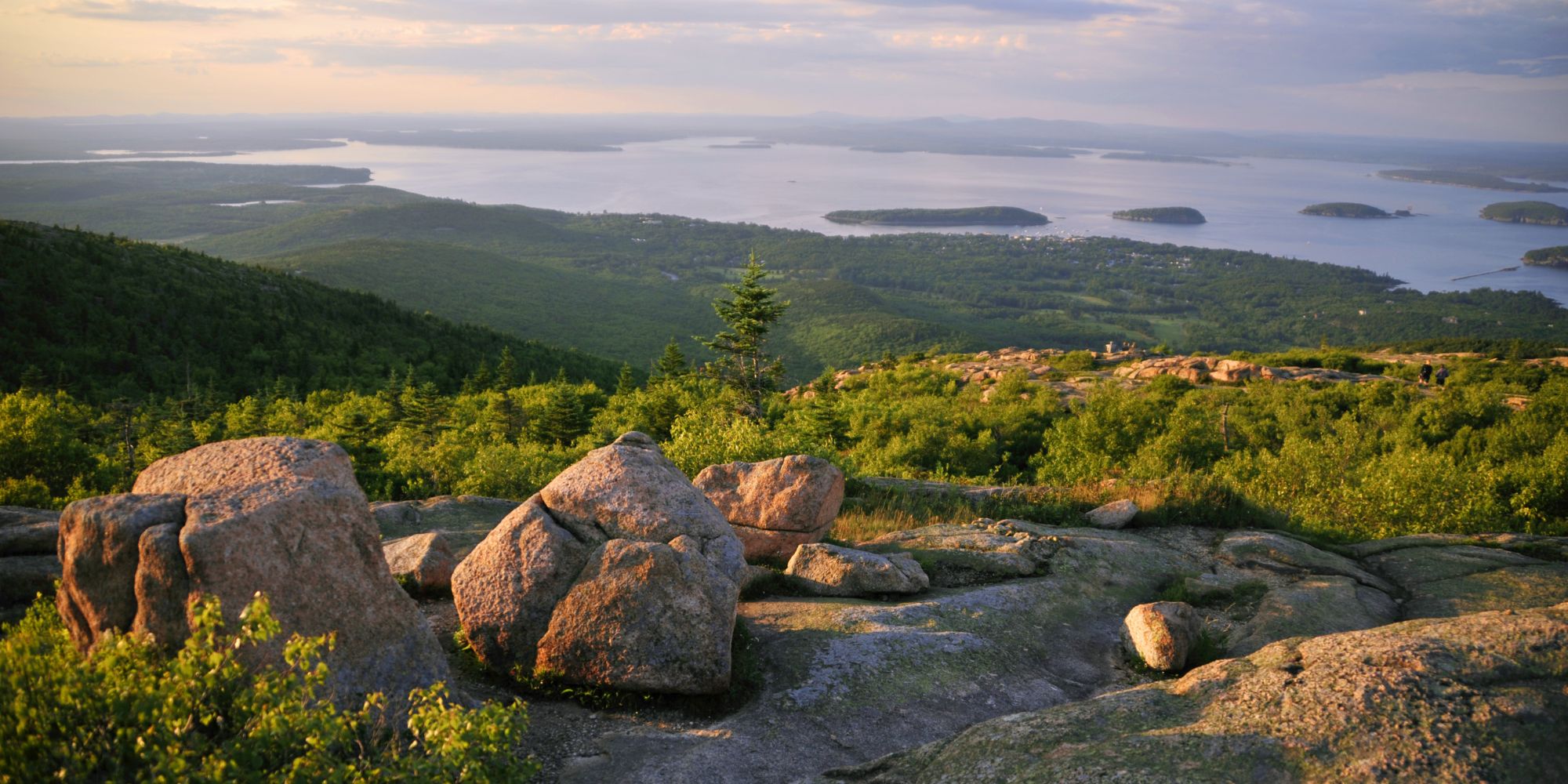
Acadia — Where the Mountains Meet the Atlantic
The mountains of Acadia are part of the northern Appalachian chain, though they look nothing like the rounded ridges found farther south in the Smokies or Shenandoah. Here, ancient granite peaks rise directly from the Atlantic Ocean, creating one of the most dramatic coastlines in the National Park System. Over millions of years, glaciers carved and polished these mountains, leaving behind exposed granite domes, rocky headlands, and crystal-clear lakes tucked into the island's interior.
What makes Acadia unique is the constant interaction between mountain and sea. On a single hike, you might stand on a windswept summit looking across Frenchman Bay, descend through evergreen forest, and finish at a rocky shoreline where waves crash against pink granite cliffs. The park is also home to Cadillac Mountain, one of the first places in the United States to see the sunrise for much of the year.
Because Acadia's landscapes are so intertwined with the ocean, it's a destination best experienced from multiple perspectives. On our Adventure in Acadia National Park, we explore the park on foot, by kayak, and by bicycle, allowing travelers to experience the unique relationship between mountain, forest, and sea that makes Acadia such a special place.
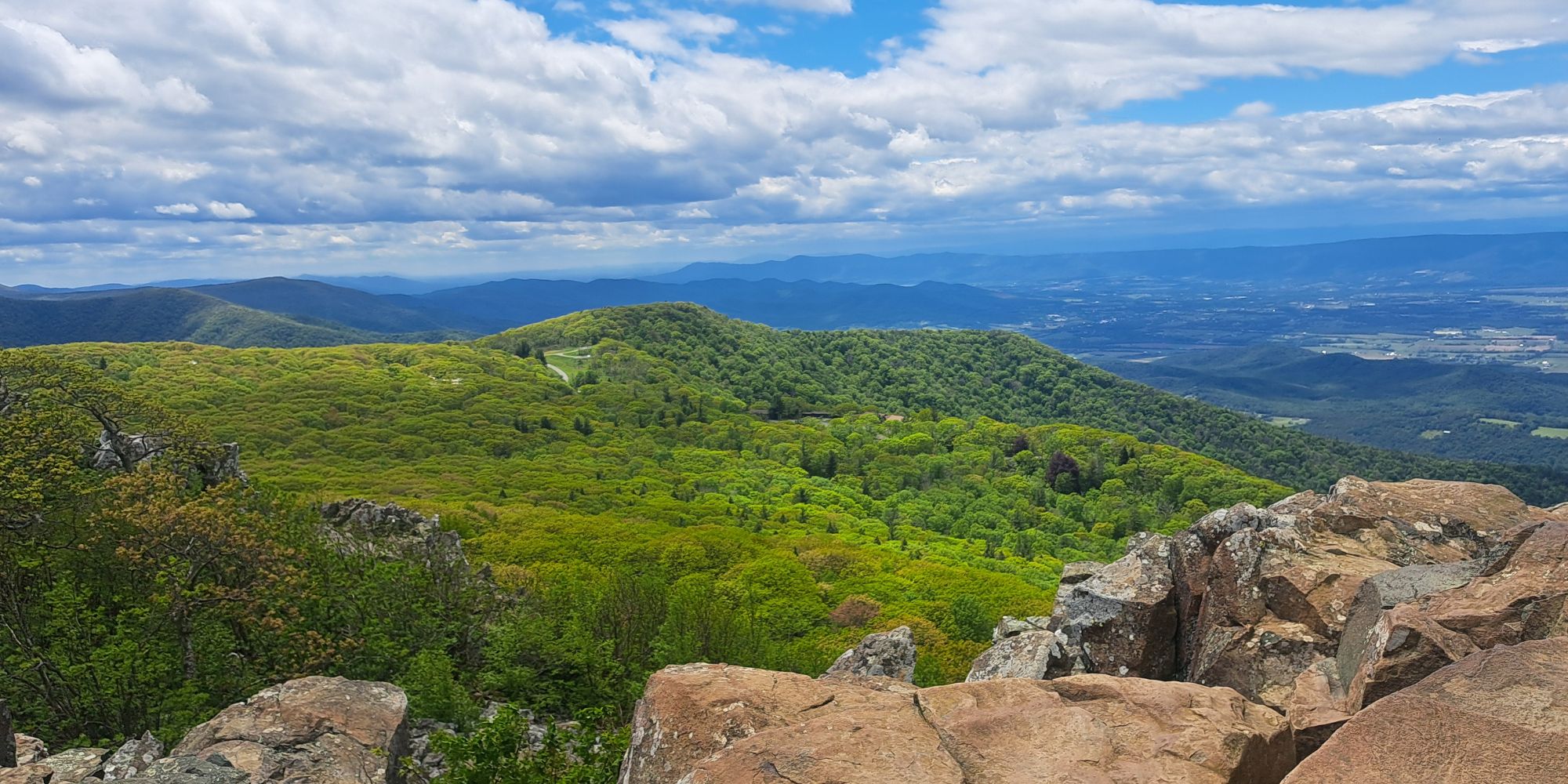
The Blue Ridge & Appalachians — Shenandoah's Ancient Ridgeline
The Blue Ridge Mountains are among the oldest mountain ranges in North America and form one of the most recognizable sections of the Appalachian chain. Unlike the towering peaks of the Rockies, the Blue Ridge is defined by long, continuous ridgelines, deep forested hollows, and sweeping overlooks that seem to stretch endlessly into the distance. Millions of years of erosion have softened these mountains into their characteristic rolling profile, creating the landscape that has inspired artists, writers, and travelers for generations.
Running along the crest of the range, Shenandoah National Park protects more than 100 miles of these ancient mountains. The park's elevation changes and diverse habitats support black bears, white-tailed deer, and more than 200 bird species. Plus, it offers one of the most spectacular displays of fall color in the eastern United States. Skyline Drive follows the spine of the range, offering continuous views across the Shenandoah Valley to the west and the Virginia Piedmont to the east.
Our Hiking Shenandoah adventure explores this remarkable section of the Blue Ridge through a mix of waterfall hikes, Appalachian Trail walks, and summit viewpoints, offering travelers the chance to experience the many faces of one of America's most historic mountain landscapes.
Rocky Mountain National Park — The Backbone of the Continent
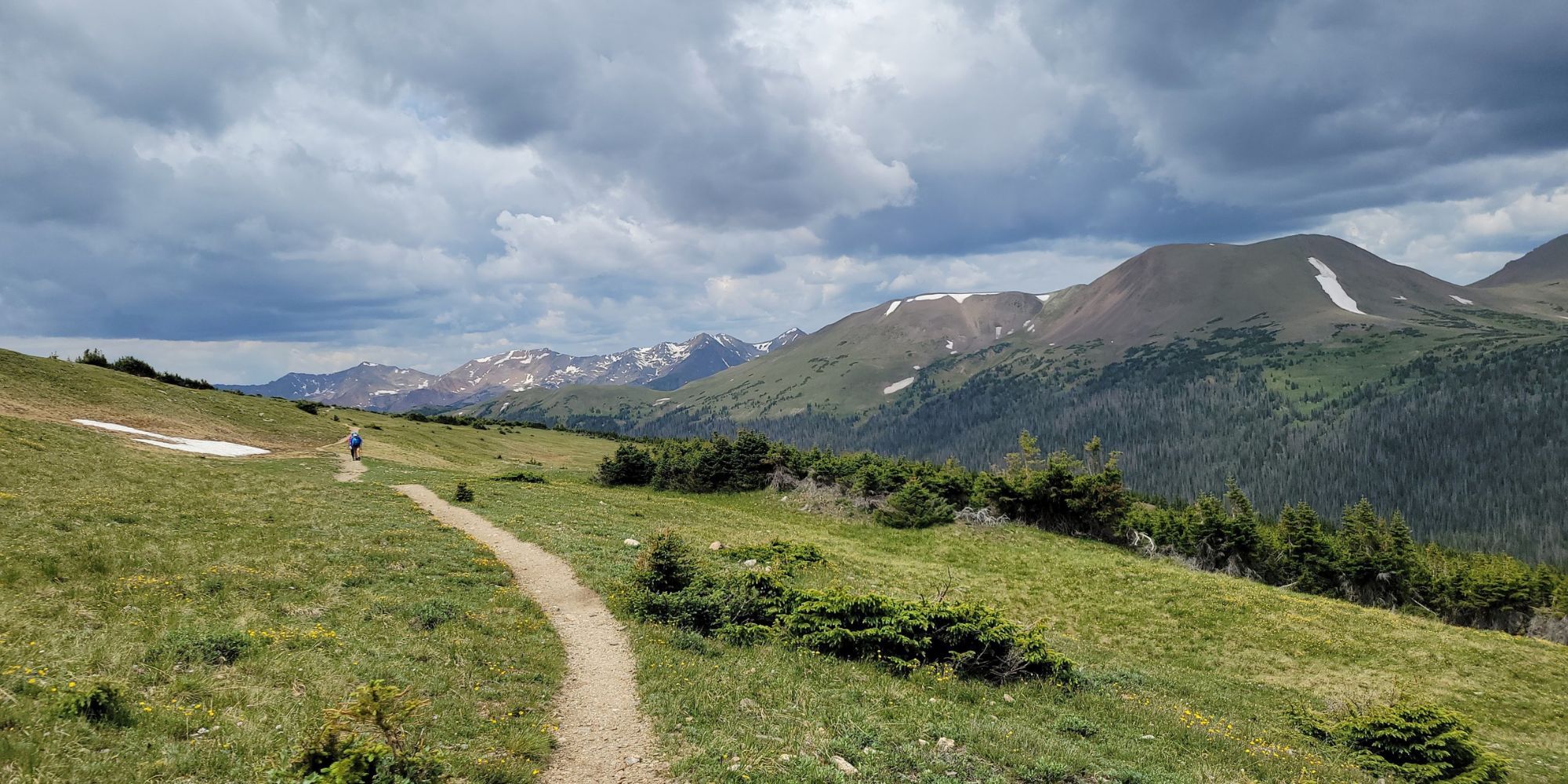
The Rockies need little introduction, but experiencing them in person is something no guidebook can fully prepare you for. Stretching from northern New Mexico into Canada, the Rocky Mountains form the backbone of western North America, a young and still-rising range shaped by powerful tectonic forces. Rocky Mountain National Park protects some of the most dramatic terrain in the range, from glacier-carved valleys and alpine lakes to rugged summits that rise above 14,000 feet. Few places showcase the sheer scale of the Rockies more vividly.
What makes the park particularly fascinating is how quickly the landscape changes with elevation. A single hike can begin in pine and aspen forests, climb through wildflower-filled meadows, and end above treeline in alpine tundra—one of the most fragile ecosystems in North America. Here, the growing season lasts only a few short months, yet wildlife such as elk, bighorn sheep, marmots, and pika have adapted to thrive in these extreme conditions.
Our Peak Pursuits in Colorado's Rocky Mountain National Park trip is designed to immerse travelers in this ever-changing landscape, exploring everything from lower-elevation forests and lakes to the park's dramatic alpine environments. By the end of the week, you'll not only see the Rockies from a distance, but you'll also experience firsthand how the terrain, wildlife, and scenery transform as the mountains rise toward the Continental Divide.
The North Cascades — America's Alps
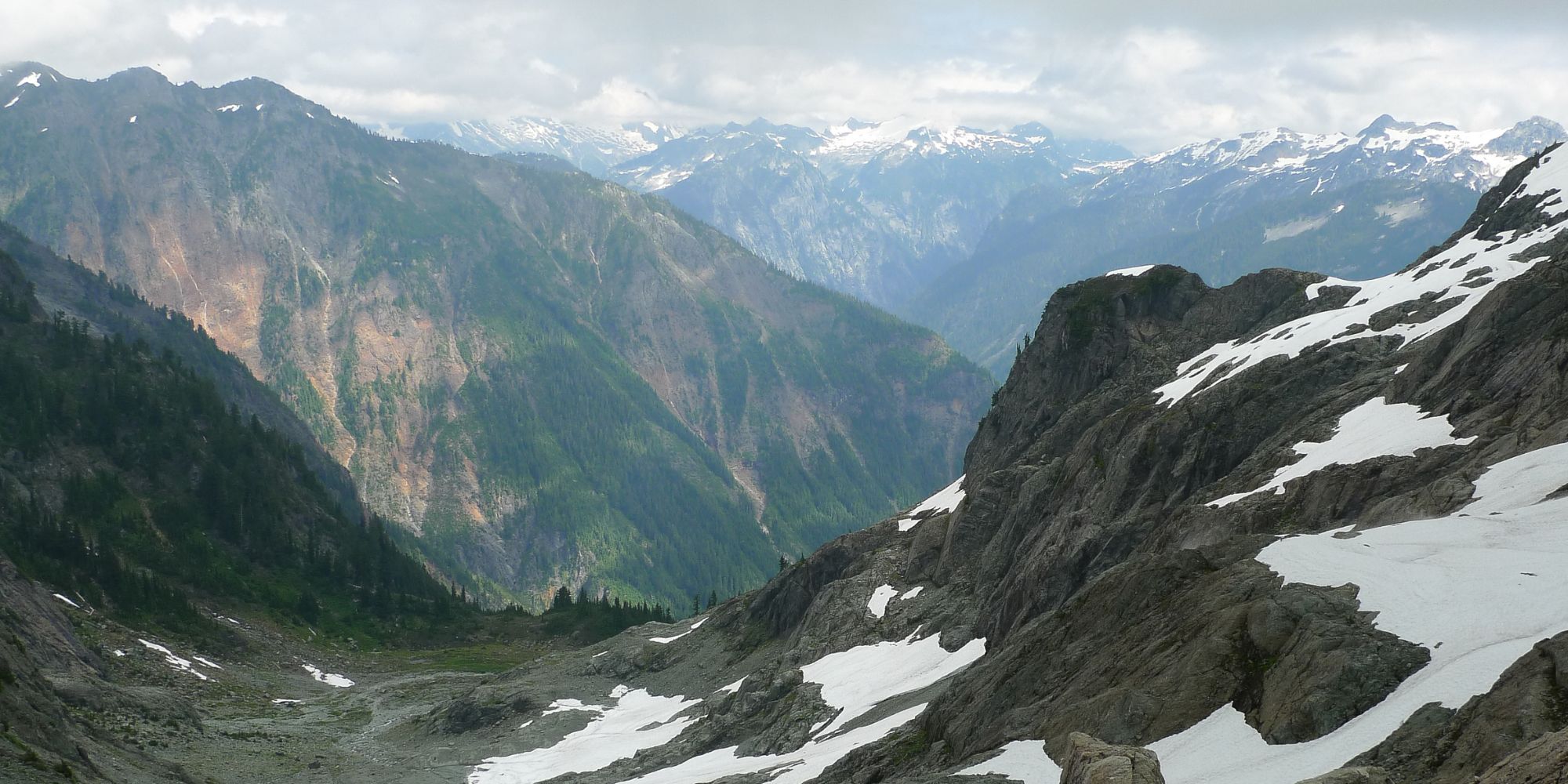
Often called the "American Alps," the North Cascades contain some of the most rugged mountain scenery in the United States. This range was built by a combination of volcanic activity, tectonic uplift, and glaciation, creating a landscape of sharp peaks, deep valleys, turquoise lakes, and more than 300 glaciers. In fact, outside of Alaska, no region in the United States contains more glaciers than the North Cascades.
The mountains also play an important role in shaping the climate of the Pacific Northwest. Moisture from the Pacific Ocean rises along the western slopes, feeding dense evergreen forests and heavy snowfall that sustains the region's rivers and ecosystems. East of the crest, conditions become dramatically drier, creating a fascinating contrast of environments within a relatively small geographic area.
Winter offers a particularly magical perspective on this landscape. Snow softens the terrain, blankets the forests, and transforms the Methow Valley into one of North America's premier Nordic skiing destinations. Our Winter Trails: North Cascades' Methow Valley trip takes advantage of this quieter season, when the mountains feel especially peaceful and the snowy scenery reveals an entirely different side of the range.
The Alaska Range — North America's Last Great Wilderness
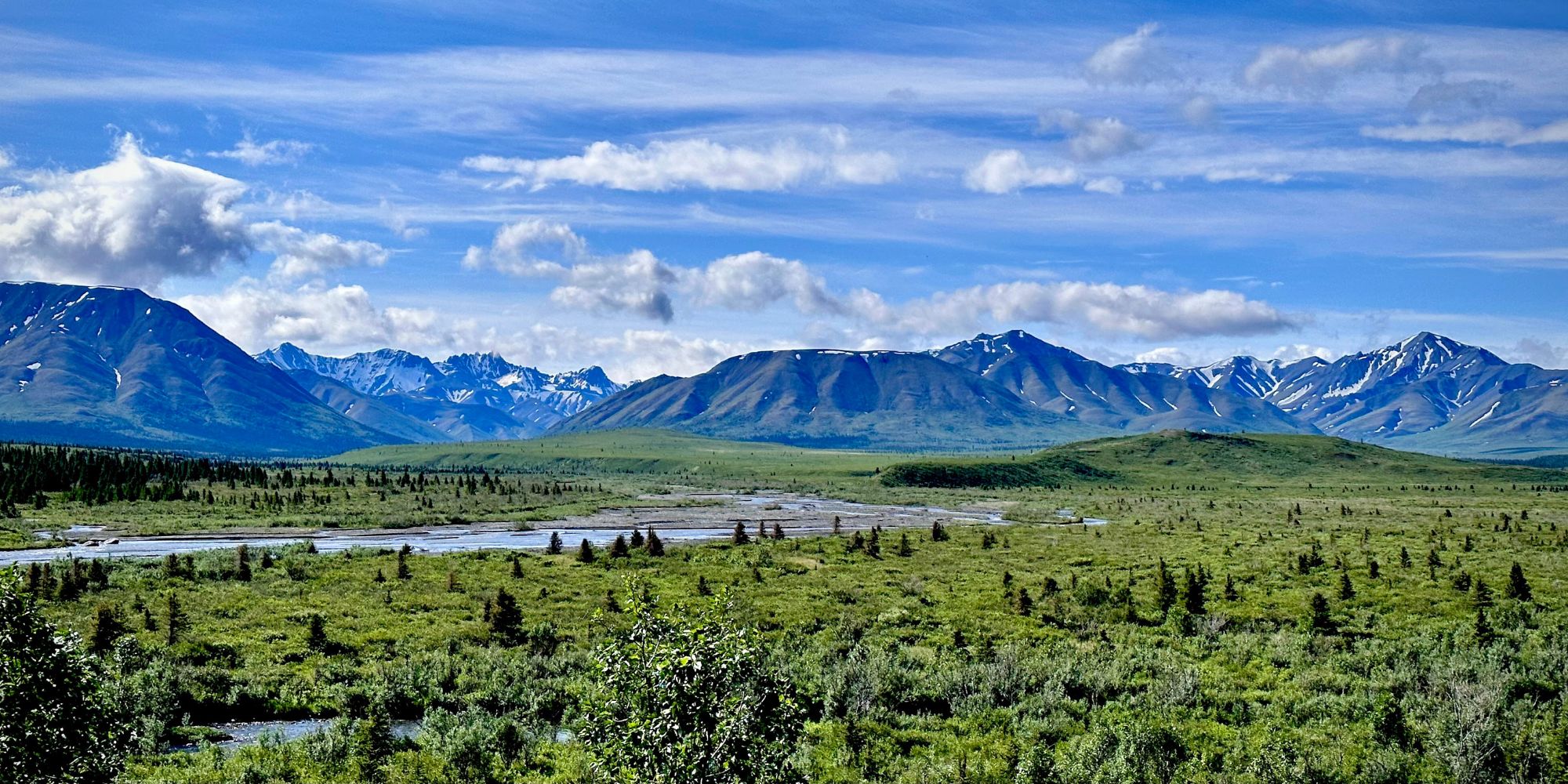
The Alaska Range exists on a scale that can be difficult to comprehend until you see it for yourself. Stretching nearly 400 miles across southern Alaska, this immense mountain system is home to Denali, the tallest peak in North America at 20,310 feet. Unlike many mountain ranges in the Lower 48, the Alaska Range remains largely wild, with vast expanses of undeveloped land where natural processes still dominate the landscape.
These mountains continue to rise as tectonic forces push the Earth's crust upward, creating dramatic relief. Massive glaciers spill from high peaks into broad valleys, while tundra ecosystems support grizzly bears, moose, caribou, Dall sheep, wolves, and countless migratory birds.
Denali National Park protects six million acres of this extraordinary wilderness, yet only a single road enters the park. Much of the landscape remains accessible only to wildlife and the occasional backcountry traveler. The result is a place that feels remarkably untouched, where visitors can experience a level of solitude and wildness that has become increasingly rare.
Our Alaska: From Anchorage to Fairbanks adventure explores this remarkable region through hiking, wildlife viewing, and scenic travel along the Parks Highway, offering travelers a chance to experience one of the last truly wild mountain landscapes in North America.
Which Mountain Range Is Calling You?
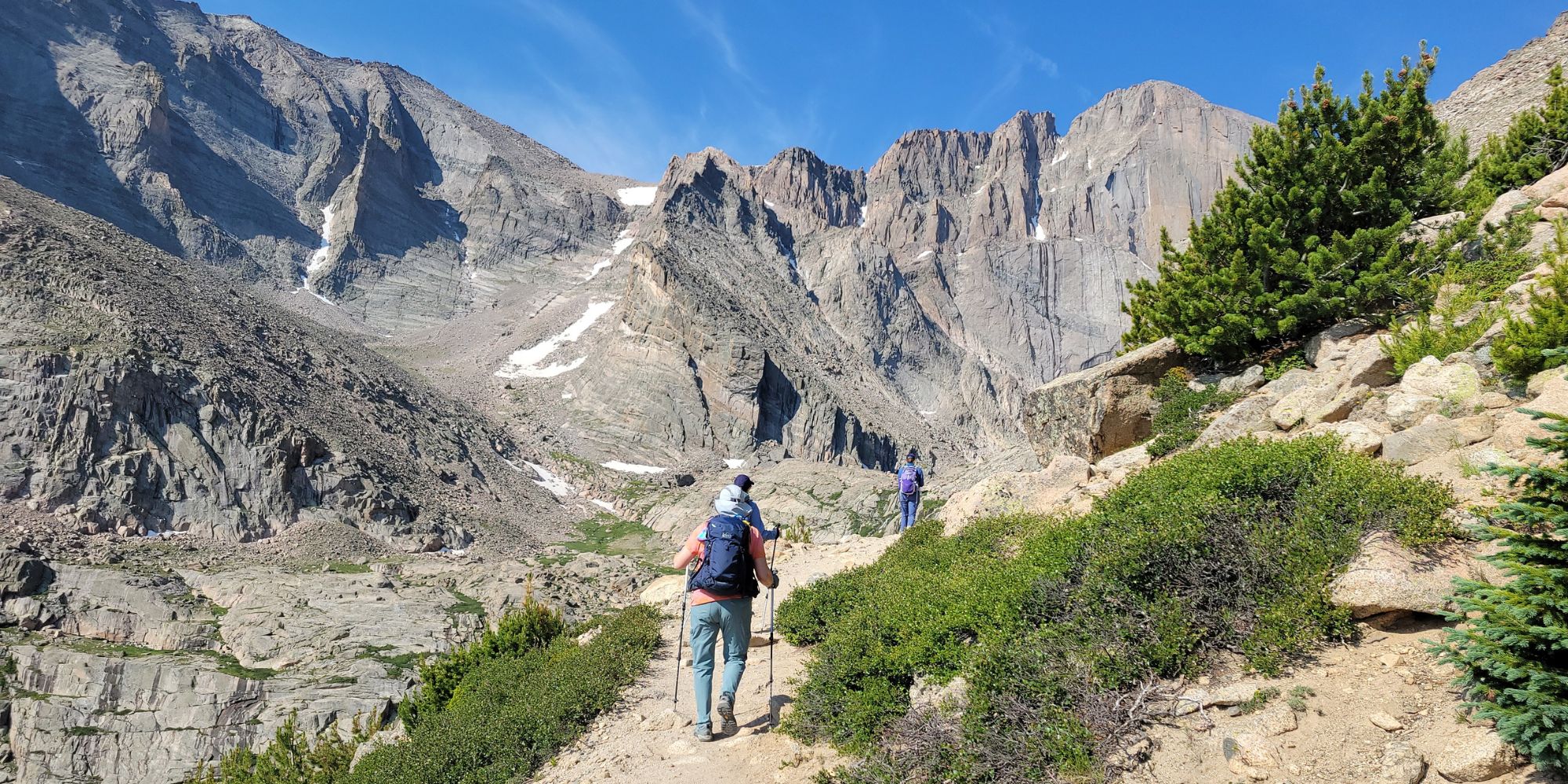
From misty Appalachian ridgelines to Rocky Mountain summits and Acadia's coastal peaks, America's mountain ranges couldn't be more different. Each was shaped by its own geological forces, supports its own ecosystems, and offers its own adventure activities. Some invite you into dense forests filled with biodiversity, while others draw you above treeline into alpine tundra, along rugged coastlines, or into vast wilderness.
Exploring these landscapes is an opportunity to experience the remarkable diversity of America's national parks firsthand. The ancient Appalachians offer a very different experience from the younger Rockies, while Acadia's combination of mountains and ocean stands apart from both. Whether you're interested in wildlife, wildflowers, dramatic views, coastal scenery, or simply spending time outdoors, there's a National Park mountain range that fits the adventure you're looking for.
At Adventures in Good Company, we explore these iconic landscapes through small-group adventures designed specifically for women. With expert guides, thoughtfully planned itineraries, and all the logistics handled, you can focus on what matters most: experiencing these extraordinary mountain ranges one trail at a time.