
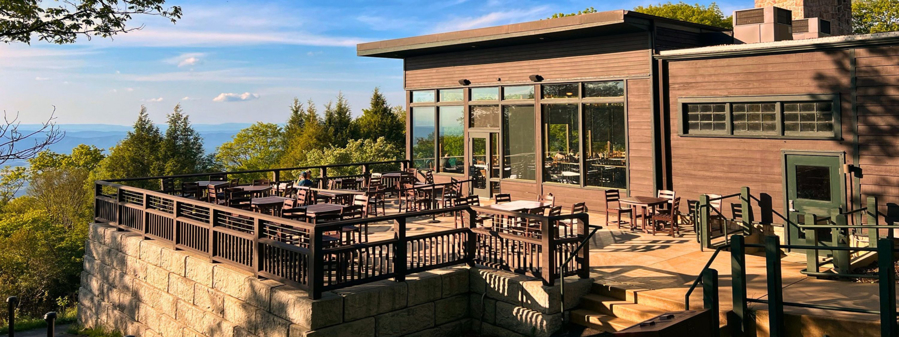
Ask most people what they picture when they think of Shenandoah National Park, and they'll say hiking. And they're not wrong, the trails here are exceptional, and we'd be the last people to talk you out of spending a day hiking here.
But Shenandoah offers more than you think. It's a place where you can sleep in a lodge that's been hosting visitors since the 1800s, drive one of the most scenic roads in America, eat lunch on a mountaintop with nothing but ridgeline in every direction, and disappear underground into one of the most spectacular cave systems on the East Coast, all without logging a single trail mile.
On our guided trip through the park, we hike. We hike a lot. But we also do all of this. Here's what else Shenandoah has to offer beyond its outstanding hiking trails.
Drive Skyline Drive (And Actually Stop)
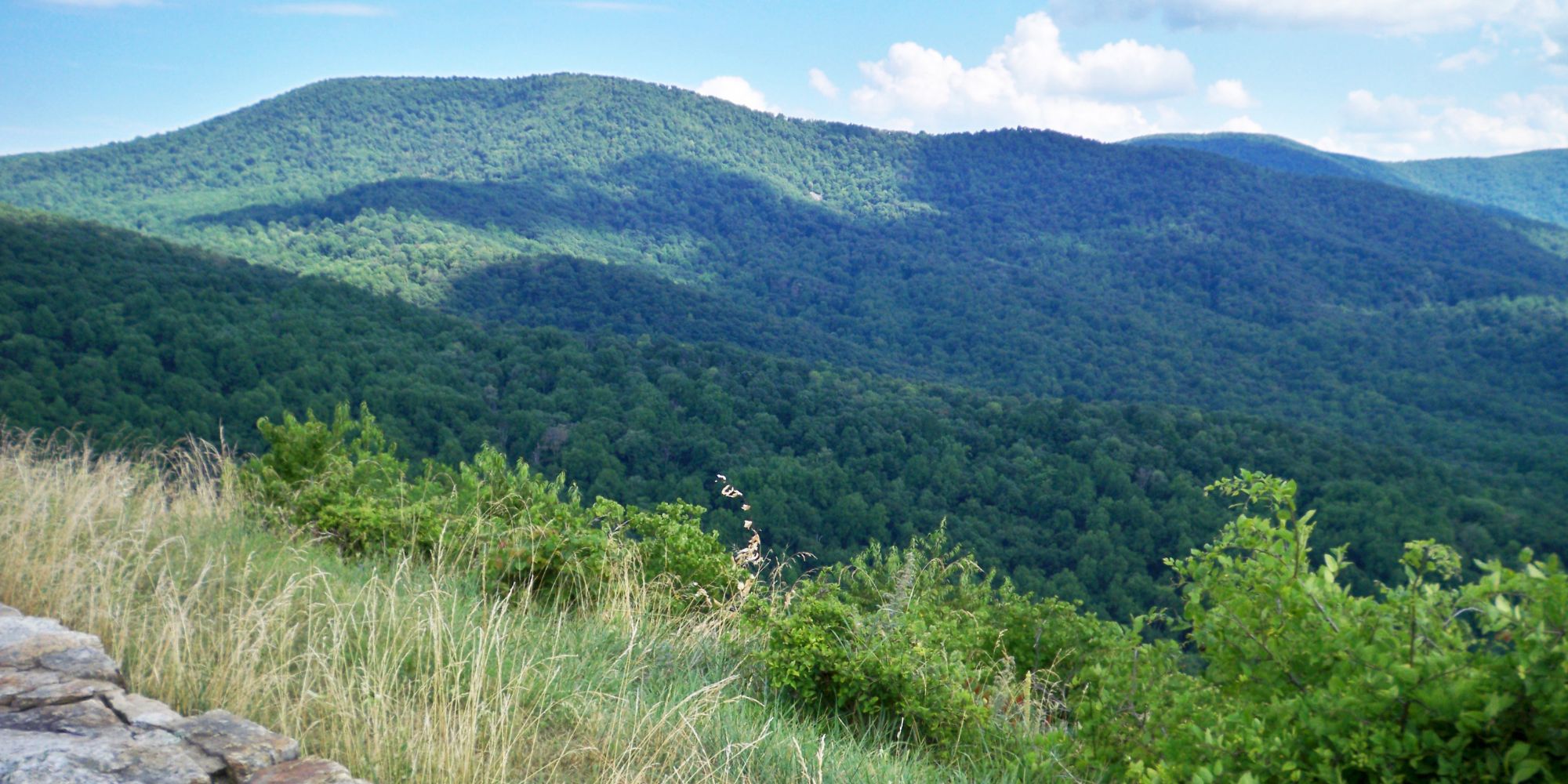
There's a reason Skyline Drive is one of the most popular scenic drives in the country. The road runs 105 miles along the crest of the Blue Ridge Mountains, threading through the full length of Shenandoah National Park from Front Royal entrance in the north to Rockfish Gap entrance in the south. The speed limit is 35 mph, because slowing down is the whole point of this scenic drive.
What makes Skyline Drive different from a typical mountain road is the access it gives you. Seventy-five overlooks line the route, each one pulling you off the pavement and out of the car to stand at the edge of something beautiful. On a clear day, the Shenandoah Valley stretches out to the west and the Piedmont rolls away to the east, layers of blue-green ridgeline stacking up to the horizon.
The trick most visitors miss is this: don't try to drive the whole thing in one shot. Pick a section, stop often, and let the overlook's views sink in. Early morning and late afternoon light transform the views entirely, and the park looks different in every season—wildflower-covered in spring, lush and green in summer, fire-lit in fall.
On our trip, Skyline Drive is the thread that connects everything, including our lodges, trailheads, and lunch spots. By the end of the week, you know it the way you know a good road in a place you've started to call familiar.
Have a Picnic With a View
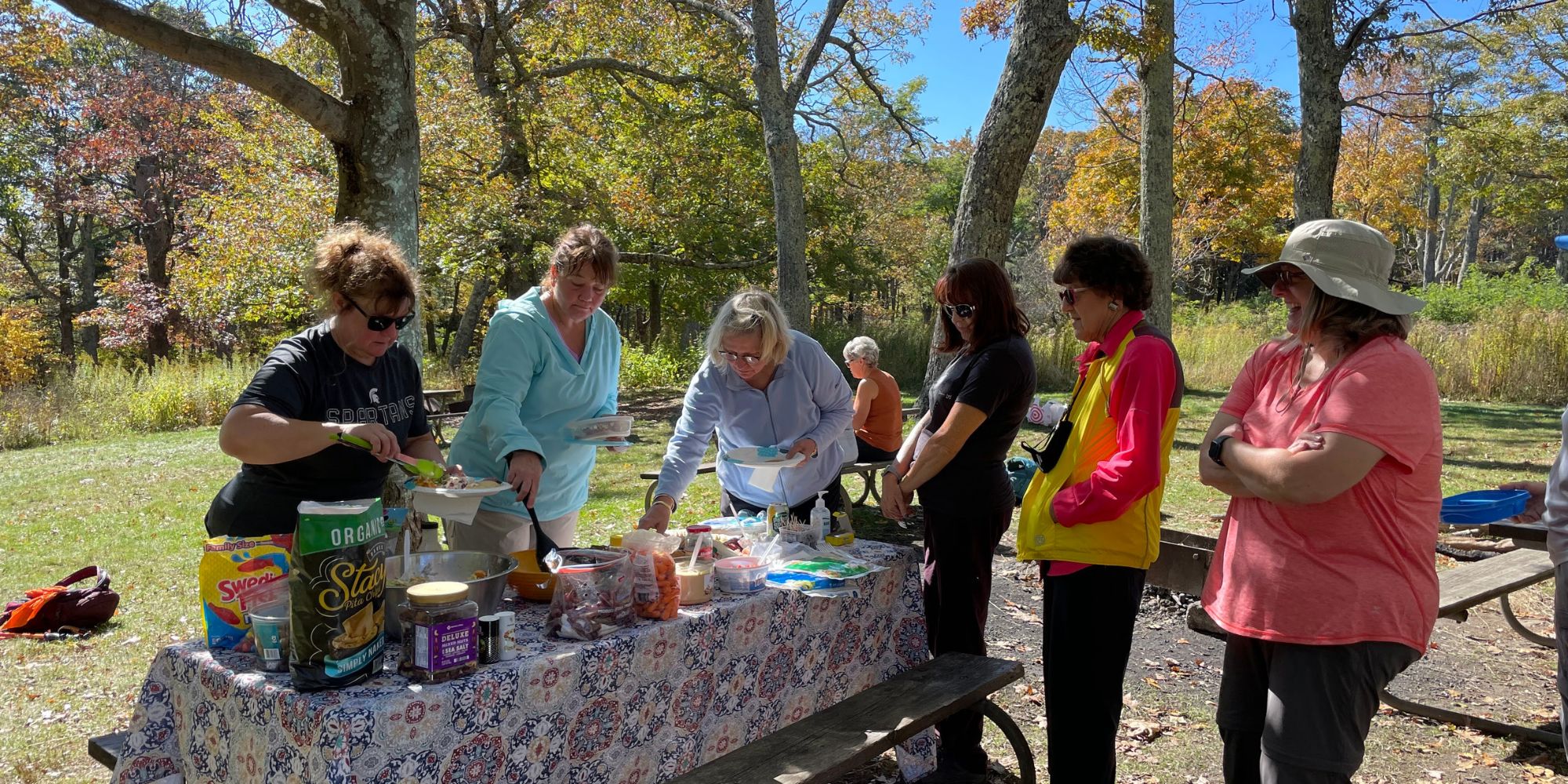
There's picnicking, and then there's picnicking in Shenandoah National Park. The park has dozens of designated picnic areas scattered along Skyline Drive, most of them perched at overlooks or tucked into forest clearings with views that would make you wait considerably long at a restaurant.
We build trail lunches into every day of our itinerary. Some of our favorite meals on the trip happen not in dining rooms but out on the trail or at a picnic table with a mountain panorama as the backdrop. There's something about fresh air, tired legs, and a good sandwich that makes everything taste better.
The Rose River Falls area is a particularly memorable lunch stop. Imagine the sound of the water, the cool air near the falls, and the feeling of having earned the break surrounding you while you eat. Big Meadows, at the center of the park, has one of the best-positioned picnic areas in the region: a wide open meadow, long views in every direction, and a surprising number of deer who have learned that humans near picnic tables often mean dropped crackers.
It’s work including a packable picnic blanket in your bag when traveling through this park. This is not the place to rush through lunch. It’s a place to savor every moment.
Sleep in a Piece of American History
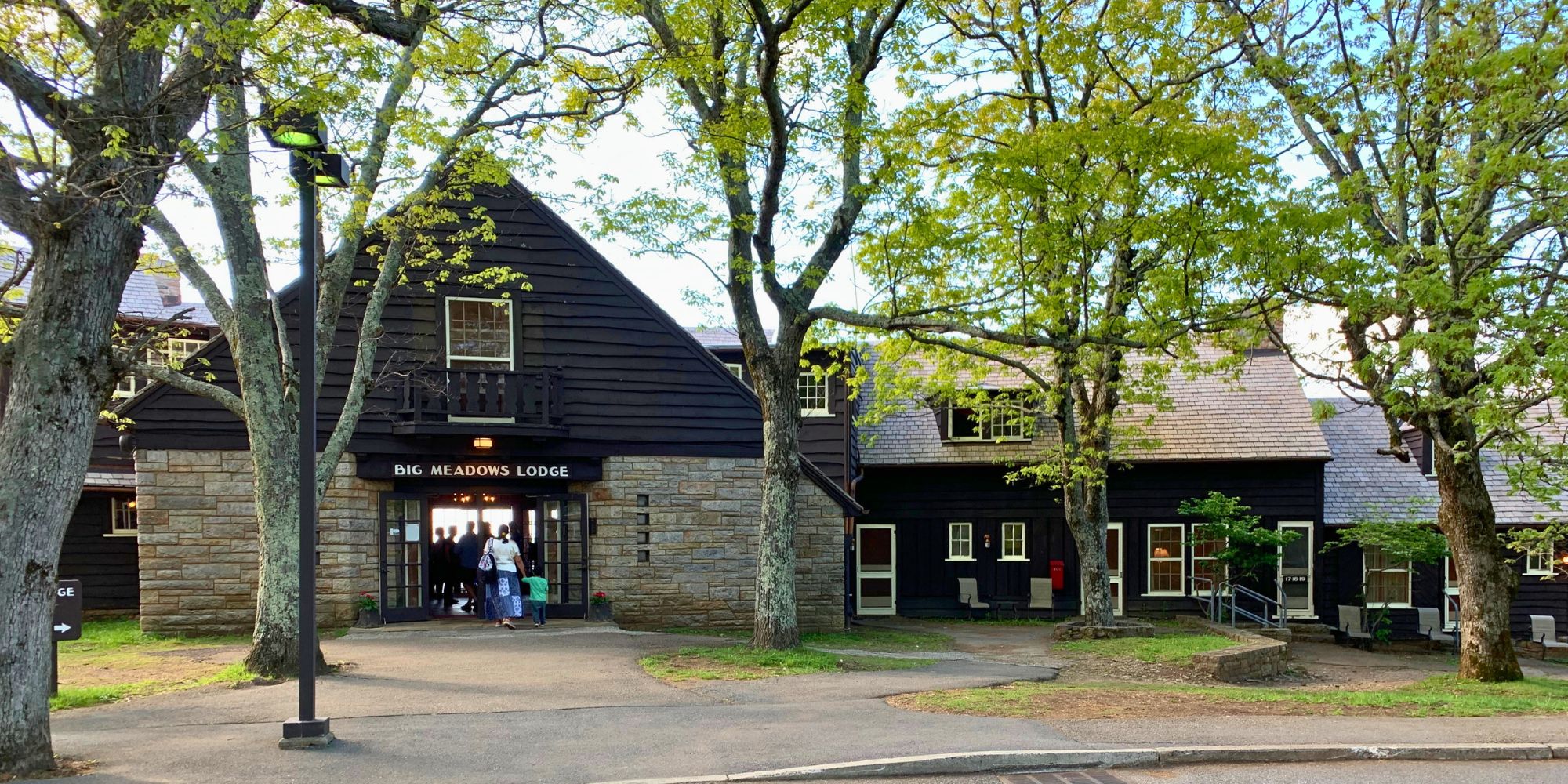
Where you sleep in Shenandoah matters more than it might in other parks. The two lodges on our itinerary aren't just convenient places to rest, they're part of the experience. They are also ridiculously hard to snag a spot in so you have the luxury of not even stressing about ensuring the rooms are booked. We ensure this in advance.
Big Meadows Lodge was built in 1939 using stones hewn from the Massanutten Mountains and native wormy chestnut. The result is a building that looks like it grew out of the landscape rather than being placed on top of it. It's officially listed on the National Register of Historic Places. Walking through the main lodge in the evening with the fireplace going and the day's hike behind you has a particular kind of comfort that newer hotels can't replicate. It sits at one of the widest, most open sections of the park, where deer graze the meadow at dusk and the stars come out in full on clear nights.
Skyland Lodge has an even longer history. Its story begins in 1888, when George Freeman Pollock Jr. set out to find the ideal spot for a mountain retreat. He called the views from this ridge "beauty beyond description," — and standing at the dining room windows looking out over the Shenandoah Valley, it's hard to argue with him. At 3,680 feet, Skyland sits at the highest point along Skyline Drive, which means the sunsets here operate on a different level entirely.
Both lodges offer a settled, unhurried feeling that's increasingly hard to find. No TVs competing for your attention. No city noise. Just the sounds of a mountain evening and the knowledge that tomorrow, another good trail is waiting.
Go Underground: Luray Caverns
We'll be honest with you: Luray Caverns is advertised by what feels like every billboard between Washington, D.C. and the Shenandoah Valley. It has the feel of a tourist attraction. And it absolutely is one, which turns out to be completely justified.
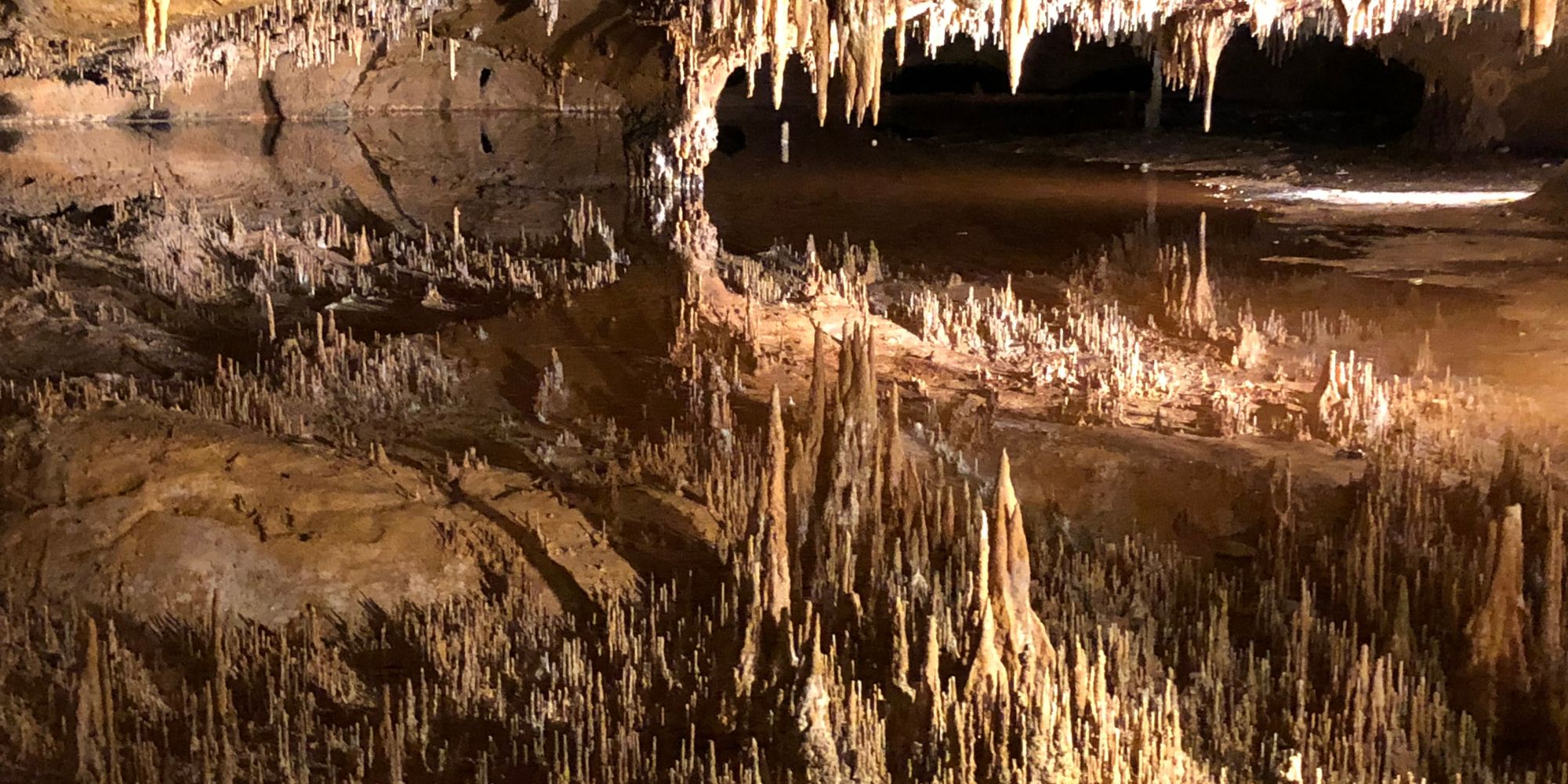
Located just outside the park near Luray, Virginia, the caverns are a genuine geological wonder. The cave system stretches for miles underground, filled with stalactites and stalagmites that have been forming for millions of years, pools so still they create perfect mirror reflections of the formations above, and chambers large enough to feel cathedral-like. The one-hour guided tour moves through it all at a pace that lets you look without rushing.
The temperature underground holds steady at around 54°F year-round, which, after a week of summer hiking, feels like stepping into the world's best air conditioning. It's a refreshing way to spend a morning.
We cap our Shenandoah trips with a visit to Luray on the final day before heading back toward Dulles Airport. Every single time, people who expected a cheesy roadside attraction walk out genuinely impressed.
Watch for Wildlife (Without Trying Too Hard)
This one doesn't require an itinerary item; it just requires paying attention.
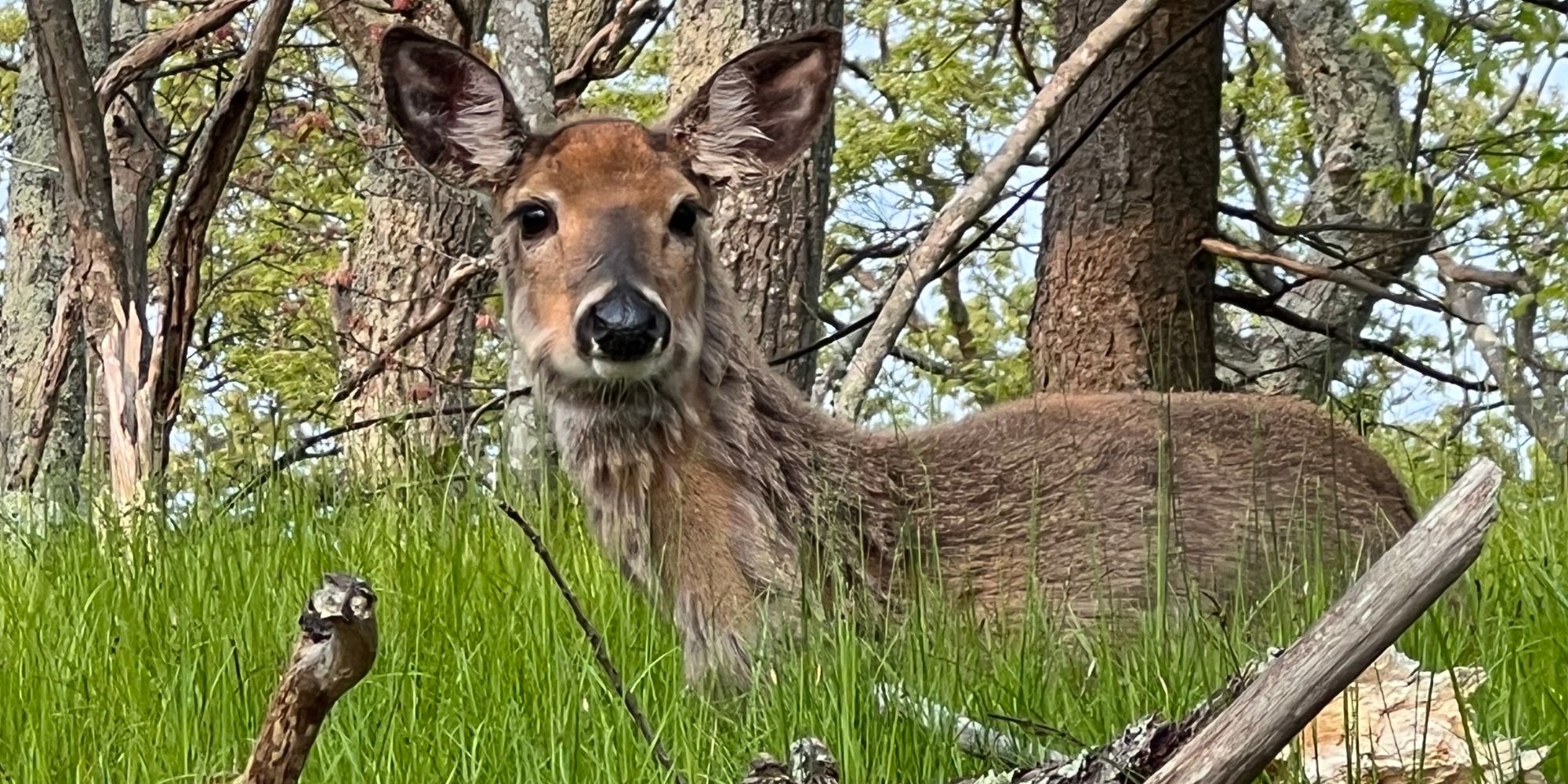
Shenandoah has over 200 species of animals living within its boundaries. White-tailed deer are so common they barely register surprise from park veterans, but they still stop first-timers in their tracks. The park is home to a healthy population of black bears and are spotted regularly, usually foraging along forest edges in the early morning or near dusk. Peregrine falcons fly above the ridgeline, wild turkeys cross the road, and brightly colored salamanders dart across trail rocks.
The best wildlife moments on our trips tend to happen when no one is specifically looking: a bear spotted through the dining room window at Big Meadows, a deer that walks within ten feet on a quiet trail section, a falcon that chooses exactly the right overlook to make an appearance. Dawn and dusk are peak hours, but honestly, in Shenandoah, you can encounter something worth pausing for at almost any moment of the day.
Bring binoculars if you have them and alk quietly when you can. Let the park show you what it wants to show you.
The Bigger Picture of Shenandoah
What all of this adds up to, the drives, the picnics, the history of the lodges, the underground wonder of Luray, the wildlife encounters that can't be planned, is a place that's deeply layered with adventure. Shenandoah isn't a park you check off a list. It's one you settle into, and the more you slow down, the more it gives you.
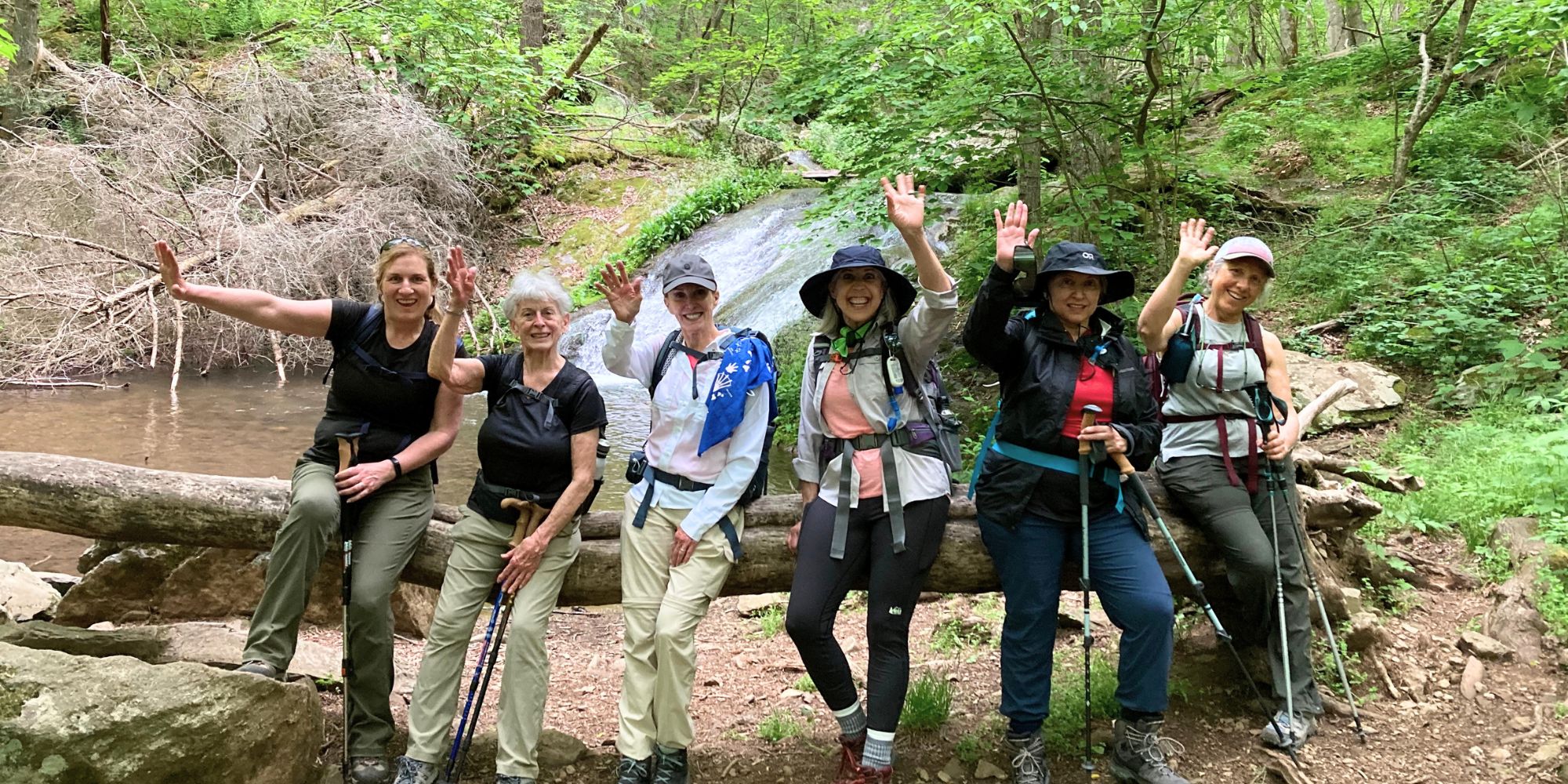
On our Hiking Shenandoah: Appalachian Trail & Blue Ridge Mountains trip, we've built an itinerary that honors all of it. Hiking is the backbone of the week, but the full experience is what makes people want to come back. Six days, a maximum of 12 travelers, historic lodge accommodations, and a week's worth of moments you didn't expect.