On October 20, 2026, Chiricahua National Monument officially became Chiricahua National Park, marking a new chapter for one of southeastern Arizona’s most remarkable landscapes. As America’s 64th national park, Chiricahua has earned an impressive level of national recognition for the extraordinary natural and cultural resources it has protected for more than a century.
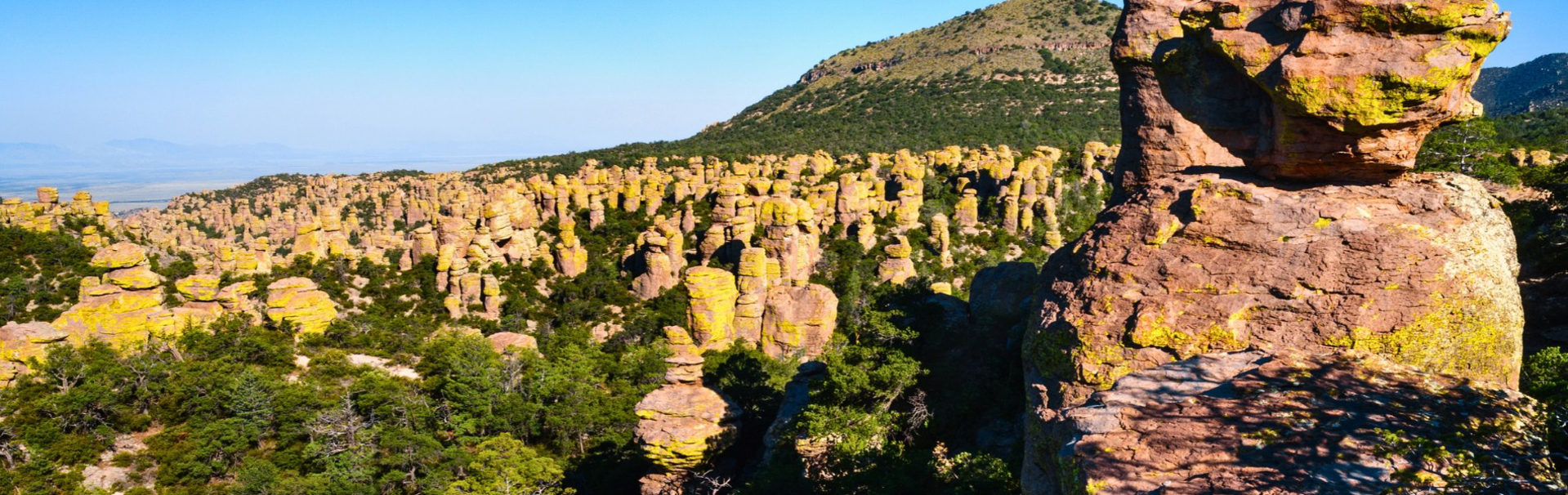
From the moment you enter the Chiricahua Mountains, it is easy to see why its landscape is so extraordinary: surreal rock formations tower above the canyon floor, trails wind through oak and pine forests, and the air rings with local birdsong. Rising nearly 6,000 feet above the surrounding valley, these “sky islands” create changes in elevation that bring cooler temperatures, greater rainfall, and a remarkable mix of ecosystems. Within this compact region, desert grasslands, chaparral, oak woodlands, and conifer forests coexist. This rich mosaic supports an extraordinary variety of plants and wildlife - more than 1,000 plant species and around 200 documented bird species - while providing an important stopover for migratory birds traveling between North, Central, and South America. Together, these layers of life and landscape create a place that feels unlike anywhere else. For birders, hikers, and anyone who simply loves being outdoors, the opportunities for discovery at Chiricahua makes every day feel full of possibility.
Rich with history and beauty, this place earned its title as a national treasure. We are thrilled to invite you to our upcoming Desert Melodies: Intro to Birding and Hiking in Arizona adventure; you will have the opportunity to experience Chiricahua in its first season as a national park.
Chiricahua National Park History: From Volcanic Landscape to National Park
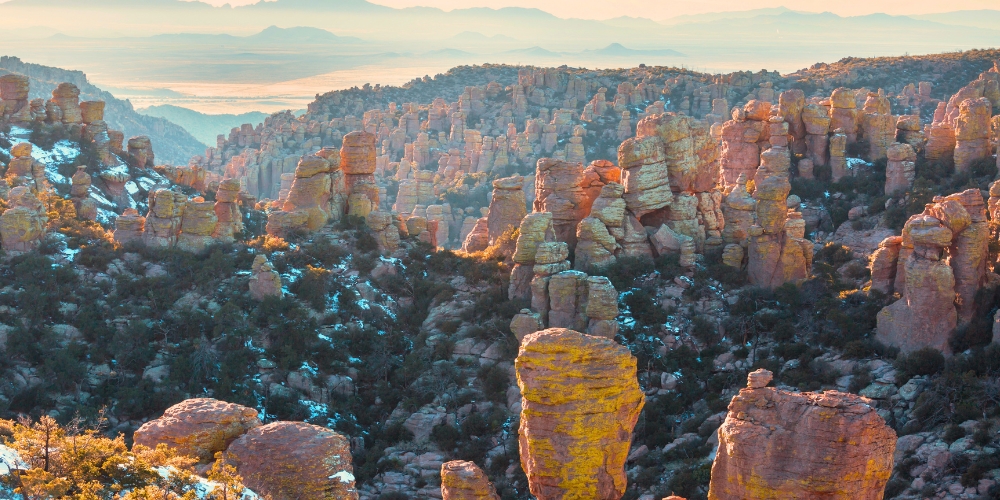
Chiricahua’s story begins 27 million years ago, when a powerful volcanic eruption sent ash and debris across the region. That volcanic ash and debris compacted into rock that then fractured and eroded over millions of years. This formed the remarkable maze of rock pinnacles and narrow canyons that exist today - earning Chiricahua’s “Wonderland of Rocks” title.
Long before Chiricahua was designated a monument, it was part of the ancestral homeland of the Chiricahua Apache. For centuries, they moved between the warmer plains in winter and the cooler mountains in summer, guided by an intimate knowledge of the area’s water sources, plants, animals, and seasonal weather patterns. The mountains were far more than a dramatic backdrop; they were a home; a vital part of an ancestral landscape woven into everyday life.
In the 1880s, that relationship was profoundly disrupted by U.S. expansion and the Apache Wars. After their 1886 surrender, the Chiricahua Apache were forcibly removed from their homeland. Though that part of history represents awful loss, their story did not end there. Descendants, traditions, and connection to the traditional Chiricahua Apache country endure. To visit Chiricahua with care is to recognize not only the beauty before you, but also the resilience, memory, and living history held within the land.
By the early 1900s, the next chapter of Chiricahua’s story was unfolding at the Erickson family homestead. Sisters Lillian and Hildegard began welcoming guests to the property and developed Faraway Ranch as a place for visitors to experience the surrounding mountains.
After Hildegard moved away, Lillian continued running Faraway Ranch and later expanded it with her husband, Ed Riggs. Deeply impressed by and devoted to the surrounding landscape, they welcomed guests to explore the mountains by horseback, on foot, and through birdwatching while helping build trails into the “Wonderland of Rocks.” Wanting its beauty to endure as a gift for all who entered it, they also worked to have the area formally recognized and protected. Their efforts helped lead to President Calvin Coolidge establishing Chiricahua as a National Monument in 1924 - a designation that recognized Chiricahua as a natural treasure worthy of preservation for the education, enjoyment, and inspiration of future generations.
After her husband’s death, Lillian continued to oversee the business and share her love for this remote landscape with curious, explorative travelers. Her story is an inspiring and non-traditional narrative of women’s lives in the West: one of female leadership, resilience, and perseverance to environmentally protect a place she held dear. As a women-owned adventure company, AGC feels especially fortunate to share this landscape with all-women groups - continuing a tradition of women helping each other discover the places they love.
Today, Chiricahua’s designation as a national park recognizes a landscape where remarkable birdlife, natural wonder, and human history meet - inviting you to explore with curiosity, appreciation, and a deep connection.
Hiking Echo Canyon Loop and Birding in Chiricahua National Park
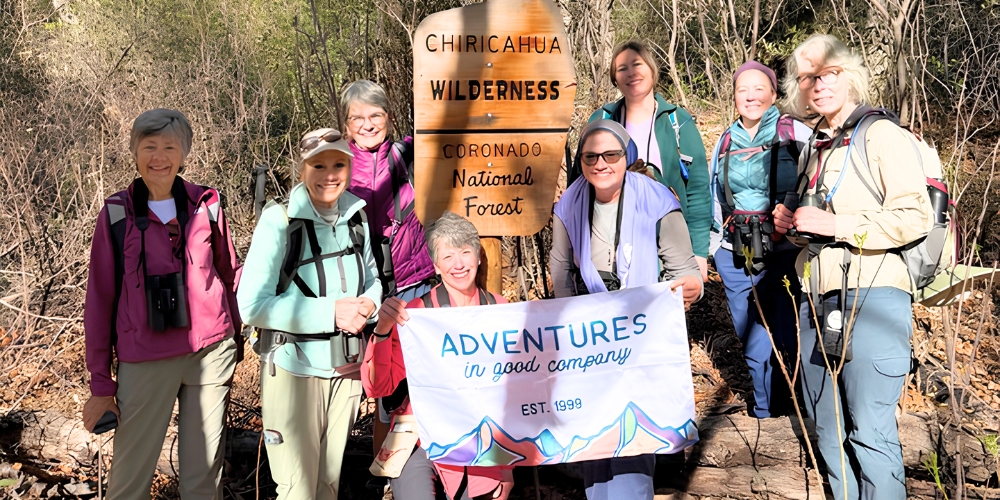
On our eight-day Arizona birding and hiking adventure, Desert Melodies: Intro to Birding and Hiking in Arizona, you’ll spend two nights at Cave Creek Ranch in the Chiricahua Mountains, surrounded by the varied habitats that make this area so fun for wildlife viewing. With knowledgeable AGC guides leading the way, you’ll have the opportunity to learn about the region’s birds, ecosystems, and natural history while exploring with care and curiosity.
Kristen R., who joined the March 2026 departure, shared, “The two guides were great about making sure everyone's needs were met and did a great job teaching us during our explorations.”
One day is devoted to exploring the Chiricahua Mountains, from bird-rich Cave Creek Canyon to the park’s remarkable rock formations. The morning begins on South Fork Trail in Cave Creek Canyon, where birding may bring sightings of Arizona Woodpeckers with spotted underbellies and Red-faced Warblers - striking songbirds marked by bold black, white, and red facial patterns.
Later, you’ll hike the Echo Canyon Loop Trail, a 3.4-mile moderate hike with approximately 531–560 feet of elevation gain. The trail includes uneven rock steps, loose gravel, switchbacks, and steep drop-offs, rewarding you with an up-close look at Chiricahua’s remarkable rock formations and canyon scenery. As you pass among towering rock pinnacles and through the park’s quiet canyon, there is dedicated time to scan the treetops, listen for a call overhead, and let the details of the land and its wildlife come into focus. In the evening, the adventure continues with a nocturnal birding excursion in search of owls and nightjars.
This full day of exploration, shared with fellow travelers who are just as eager to spot birds and experience all the land has to offer, brings together so much of what makes this trip special: hiking, learning, wildlife, and the excitement of exploring a place that has just become America’s newest national park.
Southern Arizona Women’s Birding Tour for Beginners and Nature Lovers
Southern Arizona is one of North America’s richest birding regions; yet, you do not need to be an experienced birder to enjoy it. Our Desert Melodies trip wasn’t designed for birding professionals; it was designed for you to follow your curiosity, enjoy the thrill of each new sighting, and spend joyful days exploring outdoors.
Our expert guides help you identify birds along the way, creating a welcoming environment where questions are encouraged and every sighting is worth celebrating. Whether you are hoping to spot your first hummingbird up close or add a new species to your life list, there is space for you here.
Throughout the journey, you'll visit a remarkable variety of “birding mecca” locations (a place that birders consider especially important or exciting because of the exceptional habitat and a high diversity of sought-after species the location offers). In addition to the Chiricahua Mountains, our itinerary includes Ramsey Canyon, the Patagonia-Sonoita Creek Preserve, Madera Canyon, Montosa Canyon, and the Paton Center for Hummingbirds.
Elizabeth H., another traveler who explored with us in March 2026, reflected on experiences she enjoyed along her birding adventure.
“We had a really nice group of women and two enthusiastic, open guides. The beautiful blue skies and warm weather - when many of us were still in or just coming out of winter [back home] - was lovely,” she said.
As you explore this diverse habitat, you may encounter species such as Elegant Trogons, Violet-crowned Hummingbirds, Gray Hawks, Buff-collared Nightjars, Rose-throated Becards, and more. The Elegant Trogon is especially sought after for its vivid red belly, green upperparts, and distinctive call, while the Violet-crowned Hummingbird brings a flash of color with its delicate purple crown and bright red bill. Each sighting offers a closer look at the remarkable diversity that makes Southern Arizona such a special place for birding.
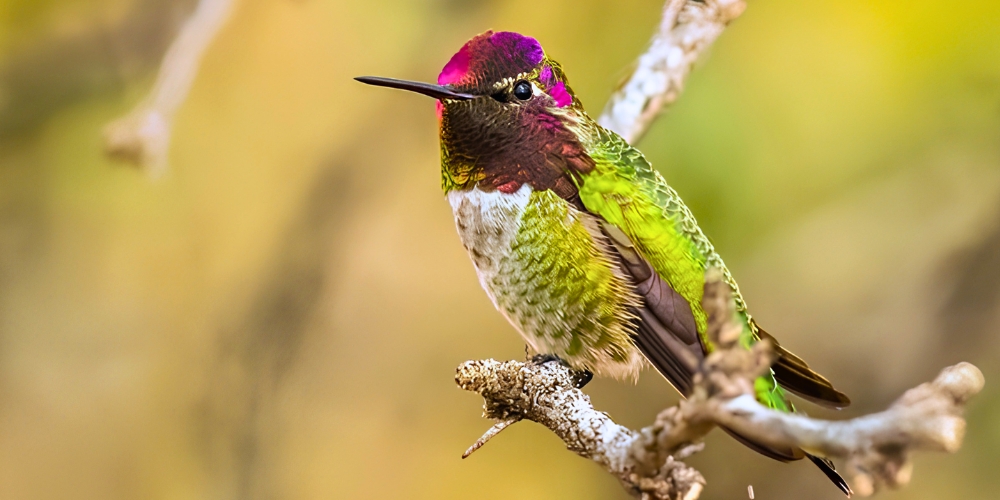
Birding Highlights: 61 Species Seen on AGC’s Southern Arizona Trip
On AGC’s March 2026 departure, the group spotted 61 bird species, from tiny hummingbirds and quick-moving warblers to Gray Hawks circling overhead, Elf Owls calling after dark, and Vermilion Flycatchers flashing their brilliant red plumage against the desert sun. Each sighting offered more reasons to look even closer and led to heartwarming conversation sharing each traveler’s “spark bird” - the bird that first made them fall in love with birding - around the breakfast table.
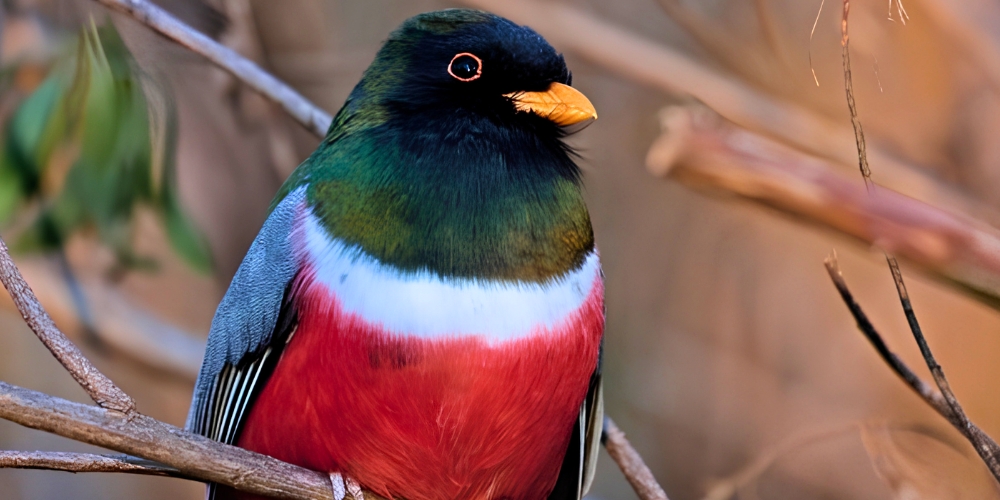
Southern Arizona Hiking, Birding, Culture, and Wildlife Experiences
Between active days outdoors, you’ll stay in character-filled lodgings, including Cave Creek Ranch and Casa de San Pedro - a birding-focused bed and breakfast near the San Pedro River. You’ll also explore the colorful, historic town of Bisbee, visit Tumacácori National Historical Park, learn about desert ecology at the Tucson Audubon Society’s Mason Center and the Arizona-Sonora Desert Museum, and wander through Tubac’s galleries and shops.
Desert Melodies: Intro to Birding and Hiking in Arizona gives you time to take in each experience while sharing new discoveries, small moments of excitement, and the comfort of exploring alongside equally adventurous women.
With a maximum group size of 10 travelers, Desert Melodies creates room for the forming of close friendships, shared discoveries, and the kind of connection that becomes part of the journey itself.
Linda C, who also joined the March 2026 departure, described the experience when she said, “The group was so congenial; really a nice group of women - including the guides. They were fantastic - highly knowledgeable, well-organized, and fun to be with.”
Explore Chiricahua National Park with Adventures in Good Company
A new national park designation brings deserved attention to Chiricahua, but its sense of wonder and the history that has made it worthy of protection has been there all along.
Our next Desert Melodies: Intro to Birding and Hiking in Arizona departure is March 22–29, 2027, and availability is limited. Join us in being among the first to experience Chiricahua in this new chapter as a national park: exploring the wild beauty of Southern Arizona, learning why this landscape has been protected for more than a century, and seeing where the birds - and a little adventure - take you.