
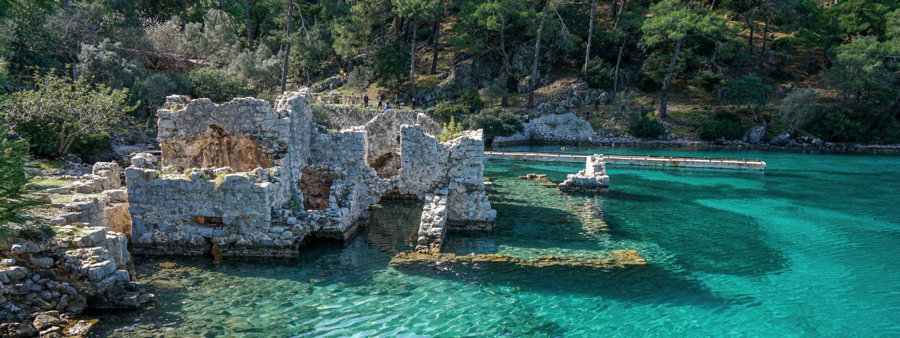
If you've ever wanted to walk in the footsteps of the Lycians, Romans, Byzantines, and Ottomans, Turkey's Turquoise Coast may be the most layered piece of coastline on earth. Here, ancient ruins don't sit behind velvet ropes in museums. They spill down hillsides to the sea, hide in forested gorges, and look out over the same shimmering bays they've overlooked for three thousand years.
This is a guide to the civilizations you'll encounter along Turkey's Aegean and Mediterranean shores and why exploring them by foot and by sea is unlike any other travel experience.
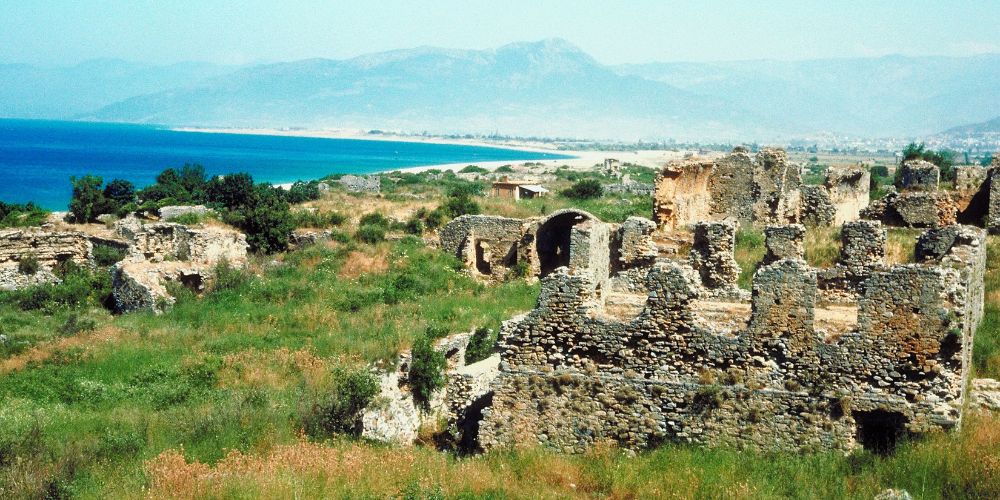
Why the Turquoise Coast Is a Living History Museum
Turkey sits at one of the great crossroads of human civilization. The strip of coastline running from Izmir south through Marmaris, Dalyan, and Fethiye, known as the Turquoise Coast or the Turkish Riviera, has been inhabited, conquered, traded through, and fought over for millennia. The civilizations that rose and fell here read like a who 's-who of the ancient world:
-
The Hittites (14th century BC and earlier)
-
The Lydians and Greeks, who founded cities like Ephesus
-
The Lycians, a fiercely independent people who left behind rock-cut tombs that still stun visitors today
-
The Romans, who turned this coastline into one of the most prosperous regions of their empire
-
The Byzantines, who built basilicas on top of pagan temples
-
The Ottomans, who ruled for 600 years and left behind a culture still deeply woven into Turkish life
Understanding these layers is what makes a trip to Turkey influential and connects you deeply to the country’s beautiful landscape.
Istanbul: Where East Meets West, Then and Now
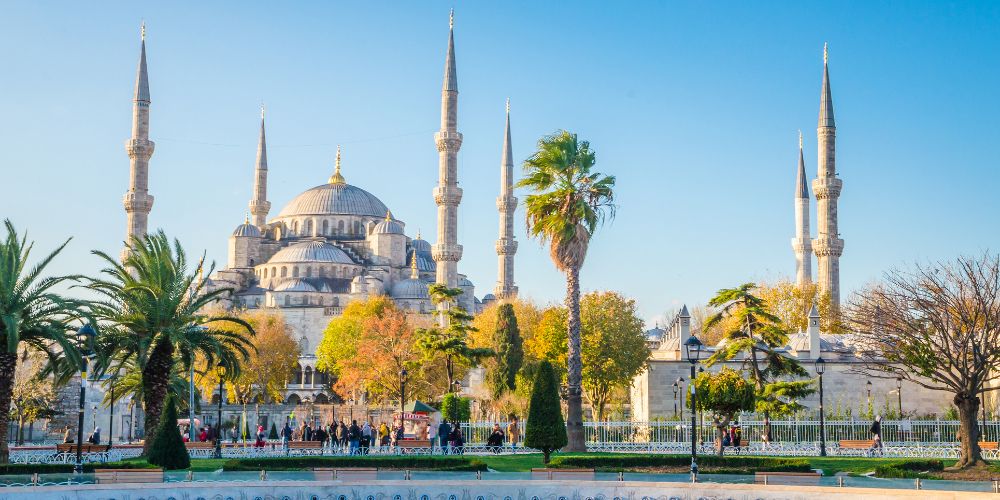
Before the coast, there is Istanbul, a place where you can feel the weight of the empire in every neighborhood.
Istanbul has been a world capital three times over: as Byzantium, then Constantinople (the capital of the Eastern Roman Empire), and then the seat of the Ottoman Empire for six centuries. Within a few square miles, you can stand inside the Hagia Sophia, one of the greatest architectural achievements in human history, built by the Byzantine Emperor Justinian in 537 AD. You can walk through Topkapi Palace, where Ottoman Sultans ruled an empire stretching from the Balkans to Baghdad. You can wind through centuries-old passageways in neighborhoods that have barely changed in a hundred years.
The Spice Market (also called the Egyptian Market) offers a vivid window into Istanbul's role as a global trading hub. Once the largest spice-trading hub in the medieval world, it was the beating heart of commerce between Europe and Asia. Families have run stalls here for generations and have continued to sell the same items: saffron, sumac, dried figs, and rose water alongside tourist tchotchkes.
Ephesus: The Most Complete Ancient City in the Mediterranean
If Istanbul makes you feel history in your gut, Ephesus makes you feel it in your legs, because, when you’re there, you’ll spend the majority of your time walking through it.
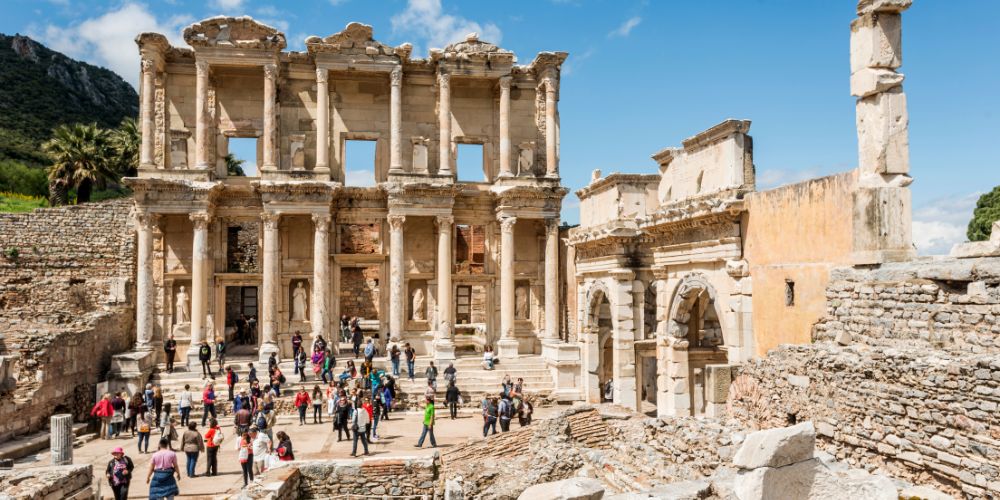
Once one of the largest cities in the Roman Empire (population estimates suggest 200,000–500,000 at its height), Ephesus was the commercial, religious, and social capital of this region. Founded by Greeks in the 10th century BC, it later became a Roman city of extraordinary wealth and sophistication.
What you see at Ephesus today is only a fraction of what's been removed. But what's visible is staggering: the Temple of Artemis, one of the Seven Wonders of the Ancient World (now in partial ruins, but still evocative), the Library of Celsus, one of the most photographed ruins in Turkey, the great marble-paved Curetes Street, public latrines, bathhouses, brothels, and temples to gods, both Roman and Eastern.
Ephesus is also a deeply significant site for early Christianity. St. Paul lived and preached here, writing his famous Letter to the Ephesians. According to tradition, the Virgin Mary spent her final years in a small house in the hills above the city, a site that remains a Christian pilgrimage destination today.
Sirince: The Village Time Forgot
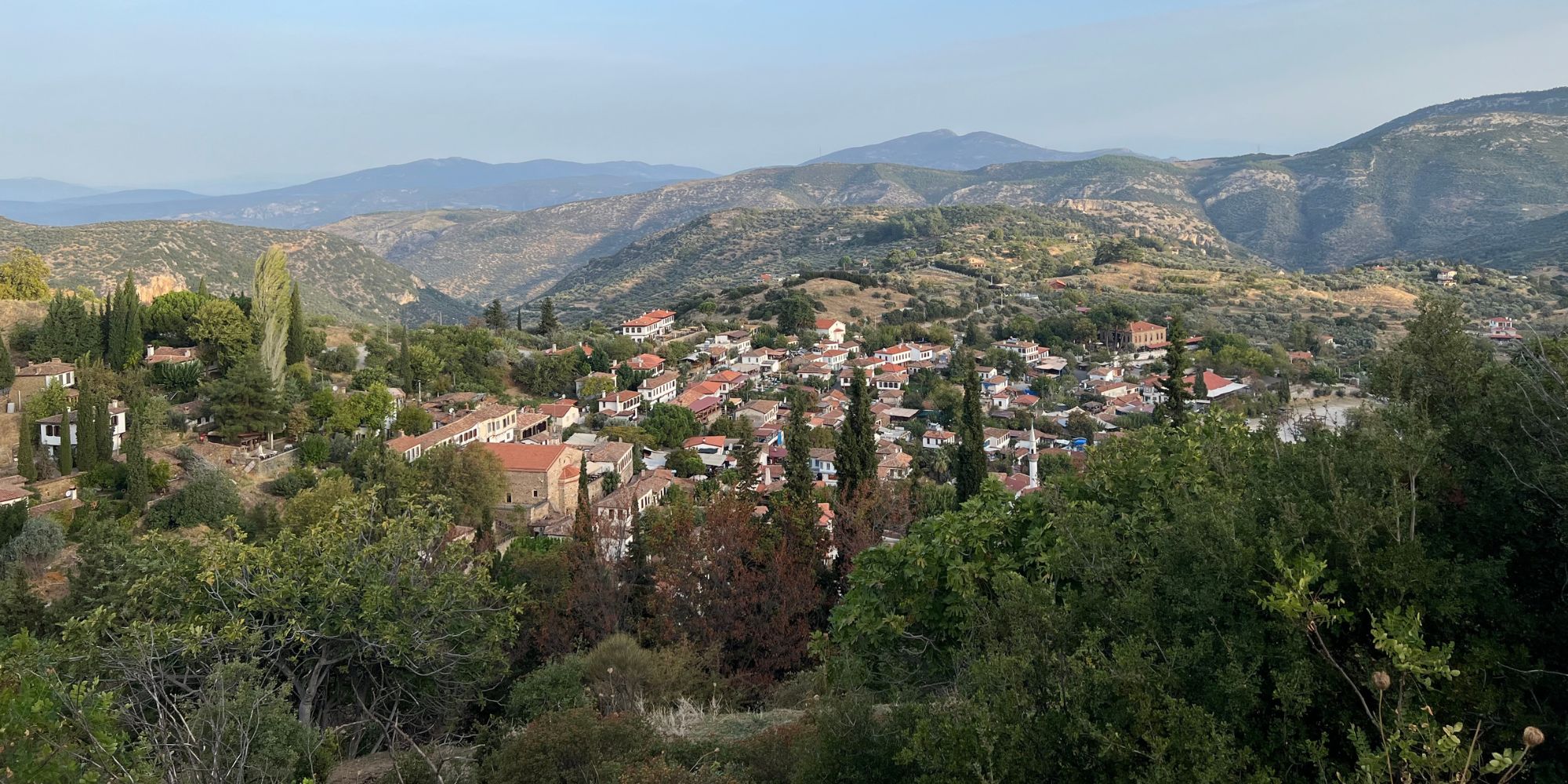
Just a short drive from Ephesus, the hilltop village of Sirince is one of the best-preserved historic villages on Turkey's western coast. Almost all of its stone and whitewashed houses date to the 19th century or earlier, and the village retains a genuine sense of place that has largely resisted mass tourism.
Sirince has a fascinating and bittersweet history: it was once home to a mixed Greek and Turkish population. After the turbulent population exchanges of the 1920s, the Greek community departed, and the village's character shifted. However, its architecture, fruit wines, and terraced gardens still carry echoes of that shared past.
Walking Sirince's narrow lanes at dusk, with the scent of local wine in the air and the lights of Ephesus glimmering in the valley below, is one of those travel moments that will stay with you.
The Turquoise Coast: Sailing Into the Ancient World
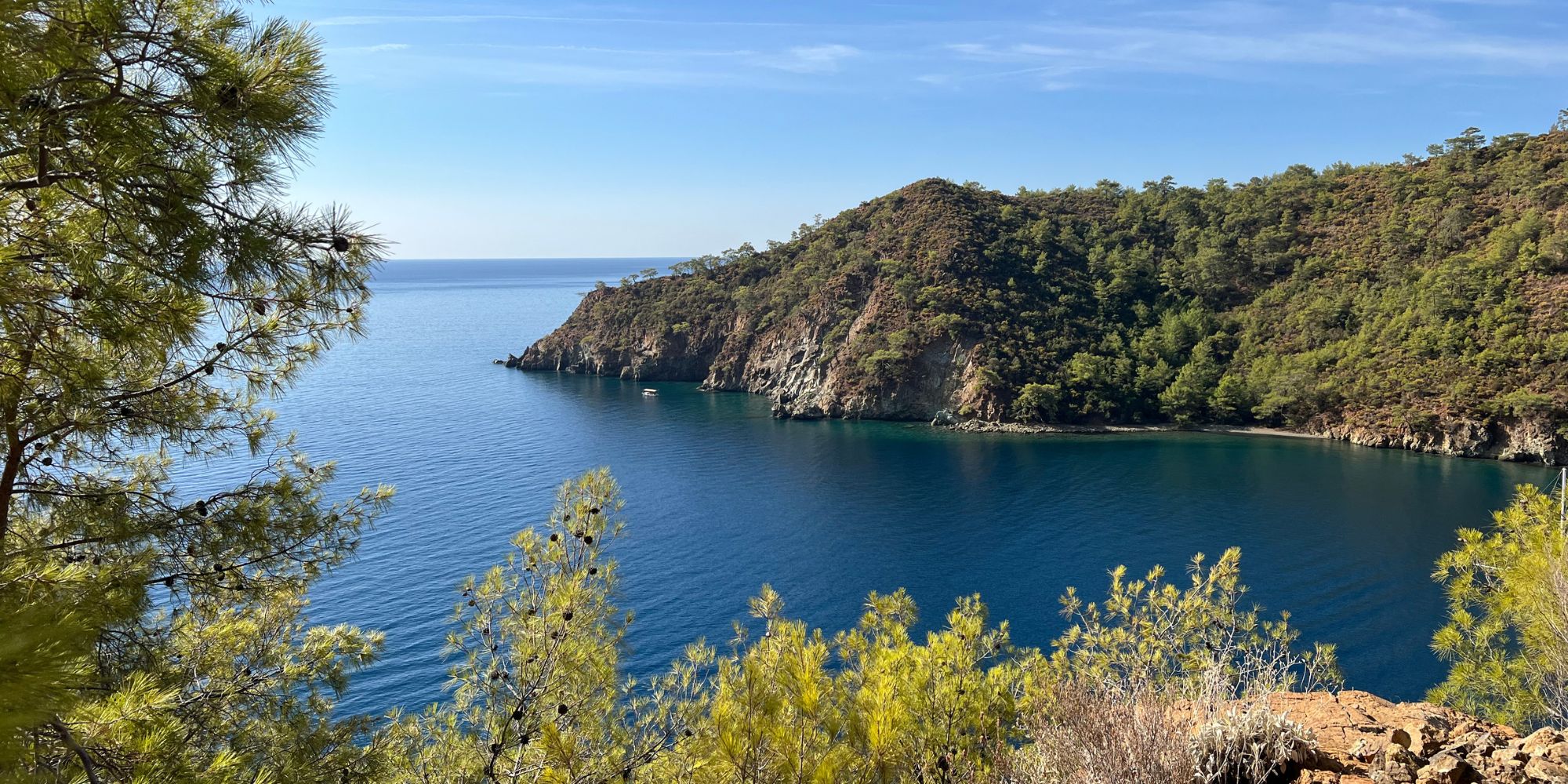
After Istanbul and Ephesus, our journey in Turkey shifts dramatically. You board a gulet, a traditional wooden sailing yacht, in Marmaris, and the ancient world comes to you in a completely different way: from the sea.
This is, in fact, how much of this coastline was always experienced. The Lycians, Romans, and Byzantine traders all moved along these waters by boat. Sailing the Turquoise Coast isn't just a beautiful vacation; it's a historically authentic way to encounter these ruins.
The Caves of Nimara: 20,000 Years of Human History
The first hike from the gulet leads up into the mountains above Marmaris Bay to the Caves of Nimara, where evidence of a goddess-worshipping site dates back to approximately 20,000 BC. Standing in a cave where humans gathered to worship twenty millennia ago, looking down at the same Aegean that glitters below, is a genuinely humbling experience.
Caunos: A City That Watched Civilizations Rise and Fall
The ruins at Caunos are among the most atmospheric on the coast. They can only be reached by boat taxi up the Dalyan River, past the famous Lycian rock-cut tombs that are carved directly into the cliffs above the river.
Caunos dates to at least the 4th century BC. It began as an independent city-state, was absorbed into the Persian Empire, then came under the influence of Alexander the Great, then the Romans, and finally the Byzantines. Its ruins reflect this layered history. The site is still being actively excavated, which means every visit offers something new.
The Lycian rock tombs at Dalyan deserve special mention. The Lycians were a remarkable people, fiercely independent, with a democratic confederation of city-states that influenced later Greek and Roman political views. Their tombs, carved into cliff faces and designed to resemble the facades of wooden houses, are among the most distinctive artistic traditions of the ancient world. You'll see them throughout the Turquoise Coast.
Lydae and Cleopatra's Baths: Where Myth Meets Archaeology
Continuing south through the Fethiye Gulf, the gulet drops anchor in small bays that most travelers never reach. From those bays, we embark on coastal hikes that lead to ruins.
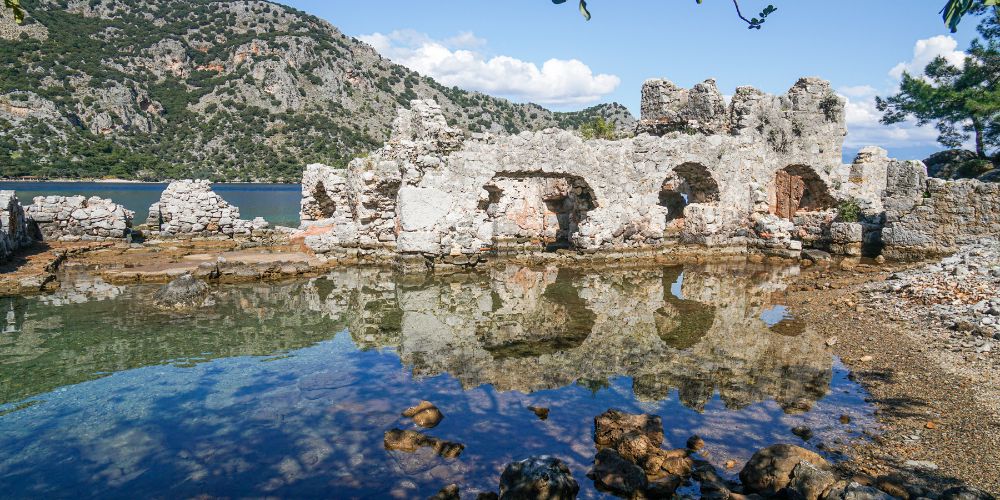
Lydae is one of the Roman ruins we hike to. It’s tucked into the woodlands above the sea, accessible only by foot from the water. This is the kind of discovery that's only possible when you're traveling by boat on a small-group trip, no bus tour or cruise ship stops here.
Even more legendary is Cleopatra's Baths at Manastir Bay. According to historical legend, Mark Antony had these baths built as a gift to Cleopatra when they discovered a hot spring in this part of the bay. Whether the story is strictly historical or embellished by centuries of retelling, the baths are real and swimming among their ruins is an unforgettable experience.
Tlos: One of the Six Greatest Lycian Cities
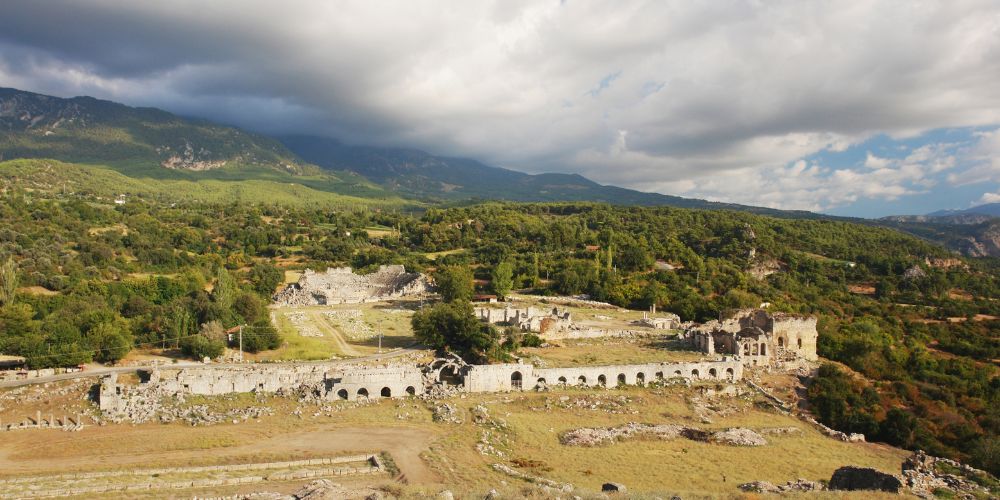
On the final days of the gulet journey, the trip moves inland to explore Tlos, one of the six largest cities of ancient Lycia. First mentioned in 14th-century BC records, making it among the oldest continuously inhabited sites in Turkey, Tlos was important enough to merit mention in Hittite archives. Its acropolis, necropolis, Roman theater, and rock tombs spread across a dramatic hillside.

Kayaköy: A Ghost Village and a Modern History Lesson
Perhaps the most poignant stop on the entire journey is Kayaköy (also spelled Kayakoy or Kaya), a ghost village near Fethiye that tells a story of more recent history.
Kayaköy was once a thriving community of Greeks and Turks living side by side. In the 1920s population exchange following the Greco-Turkish War, the Greek community was expelled, and the Turkish community that replaced them was itself unsettled when a massive earthquake later devastated Fethiye. Residents took windows, doors, and roofing materials to help rebuild. Kayaköy was left as it stands today, with hundreds of roofless stone houses covering a hillside, silent and haunting.
It is now a museum village and a UNESCO Tentative World Heritage Site. Eating lunch in a simple local restaurant amid the ruins and then walking quietly through the empty streets is one of those travel experiences that brings a textbook vision to life.
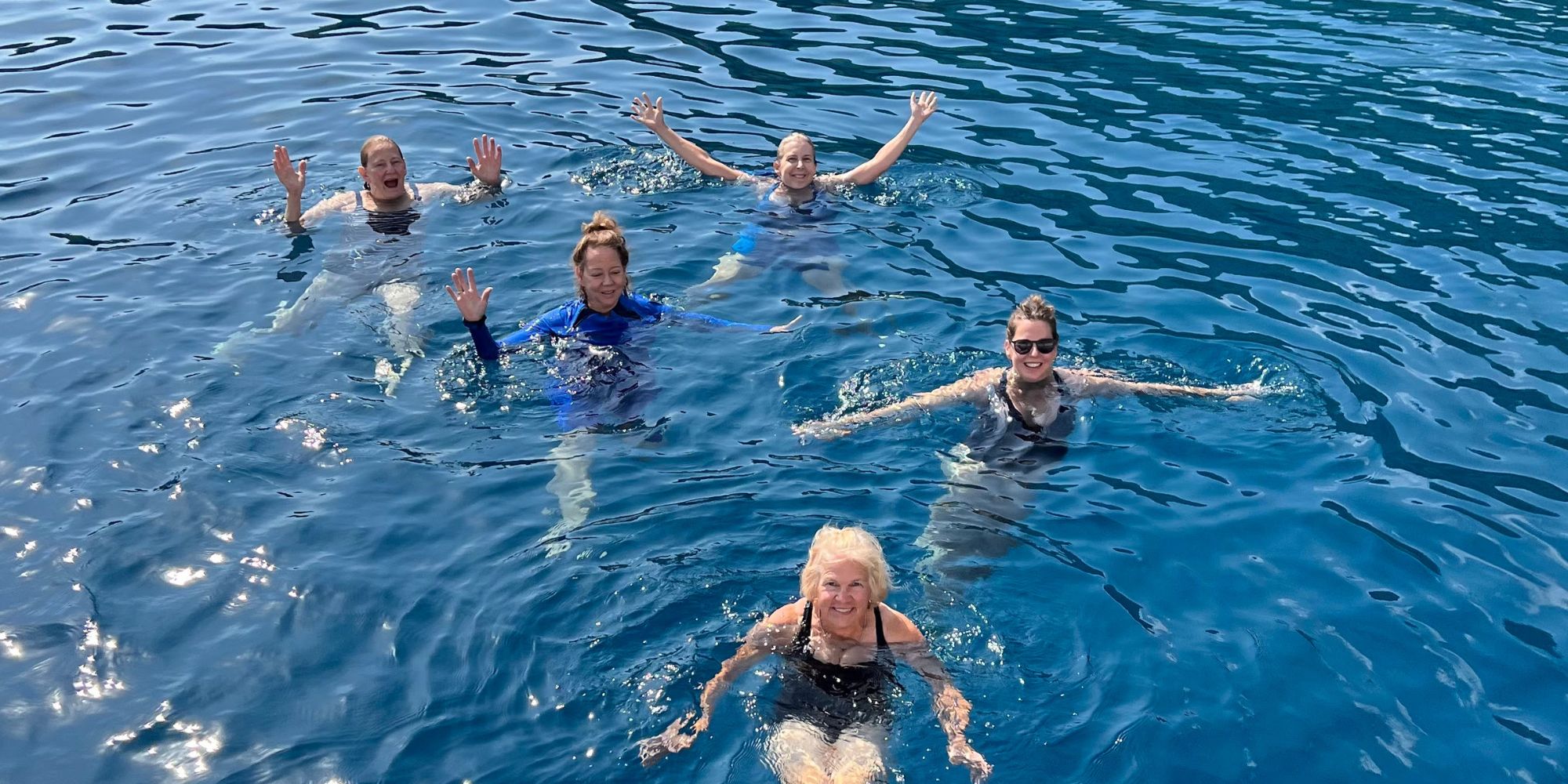
Why Explore Turkey's Ancient Coast with a Small-Group Women's Trip
There is something particularly special about experiencing this history in a small group of women led by expert guides. It’s the freedom to hike at a pace that allows real conversation and observation, and the intimacy of life aboard a gulet that stands out to our guests.
Turkish Treasures: Istanbul, Ephesus & the Turquoise Coast trip was designed for exactly this kind of layered, unhurried discovery. Over 12 days, you move from the grand imperial history of Istanbul to the Greek and Roman ruins of Ephesus, then trade city streets for sea breezes and coastal trails that lead to ruins most tourists never find.
The trip is rated 3 out of 5 for activity level, meaning it's designed for women in good physical condition who want both hiking and cultural immersion, with enough flexibility to spend a day reading on deck.
Ready to walk through three thousand years of history? Learn more about the Turkish Treasures trip. We hope to experience this slice of history with you.